
Roof rats often settle above living areas, then leave attic or wall voids after dark to forage elsewhere around the property.
Fresh droppings can reveal where rodents are feeding or traveling. Photograph them before cleanup so their location and pattern remain useful.
Roof rats readily feed on citrus and avocado, sometimes leaving hollow fruit hanging behind after eating the inside.
Roof rats climb exceptionally well. Fence tops and overhead lines can become repeat routes toward trees, roofs, and attic access.
Repeated contact with oily fur can leave visible rub marks where rats use the same narrow route night after night.
Gnawing helps distinguish active rodent areas and can show whether rats or smaller mice have been working through stored materials.
Roof rats eat snails and may leave shells around fences, planters, shrubs, and other sheltered feeding areas near the house.
A rodent in the water can indicate nearby activity rather than an isolated event, especially when shelter and food remain available.

We place traps along the routes rats are using, whether that means attic framing, walls, garage edges, or lower travel paths.

Mouse problems call for smaller traps, tighter entry-point scrutiny, and attention to kitchens, garages, storage areas, and wall voids.

We identify openings rodents can use and recommend practical ways to close or protect those access points where appropriate.

The inspection performed by our Aliso Viejo rodent control team follows droppings, sounds, gnawing, rub marks, landscape routes, roof access, and other clues around the property.

Businesses and managed properties can receive rodent inspections and service shaped around operating hours, storage, access, and recurring activity.

When rodents move into occupied areas, or activity suddenly escalates, we work to schedule inspection and service as promptly as possible.
Every rodent problem starts differently. These service paths help organize the work around active rodents, entry points, and what the property needs afterward.


Rodent pressure can shift as nights cool. Book an inspection with our Aliso Viejo, CA, rodent control pros before scratching, droppings, or attic traffic become part of the routine.


 Trustindex verifies that the original source of the review is Google.
 Trustindex verifies that the original source of the review is Google.
 Trustindex verifies that the original source of the review is Google.
 Trustindex verifies that the original source of the review is Google.
 Trustindex verifies that the original source of the review is Google.

 Trustindex verifies that the original source of the review is Google.
 Trustindex verifies that the original source of the review is Google.
 Trustindex verifies that the original source of the review is Google.
 Trustindex verifies that the original source of the review is Google.
Rattus rattus

Usually slim, weighing somewhere around 5 to 10 ounces
Citrus and avocados are favorites; nuts, fruit, and snails also get eaten
Good food and cover can support several litters in a year
Rattus norvegicus
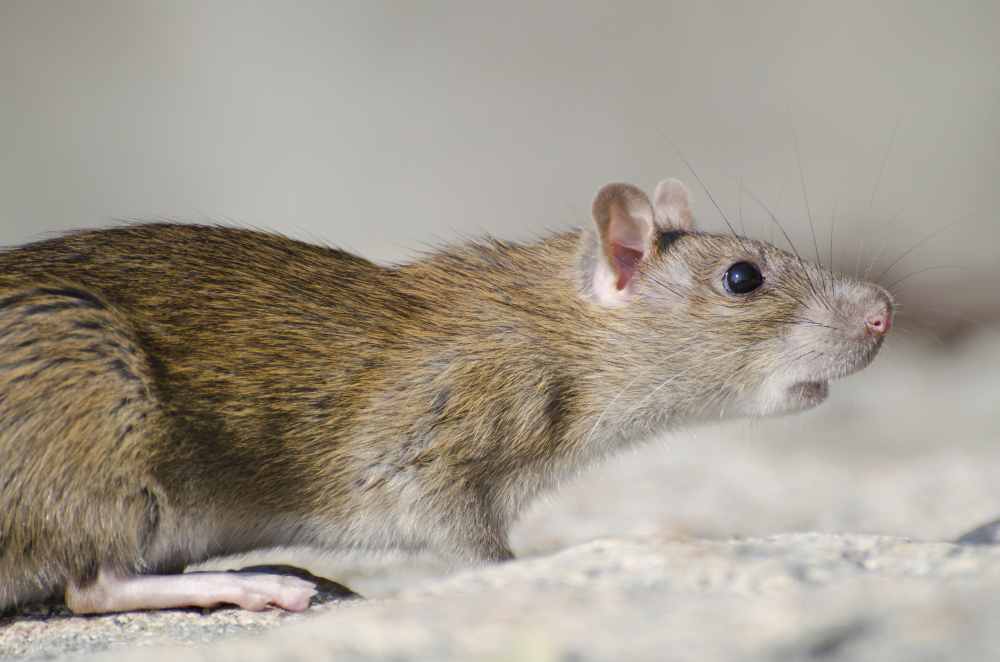
Mus musculus
Peromyscus maniculatus
A visibly furry-tailed rodent may be a native woodrat rather than a roof rat. Mention that detail when you call our rodent control Aliso Viejo crew so identification starts in the right direction.
Neighborhoods bordering natural areas can encounter roof rats, deer mice, and native rodents moving between vegetation and developed properties nearby.
Dense ivy, jasmine, and similar planting can provide cover while giving roof rats another route toward fences, walls, and rooflines.
Fruit can pull roof rats from neighboring properties because these rodents may travel considerable distances between shelter and a reliable food source.
Townhomes and condominiums can give rodents connected attic, wall, garage, or landscape routes that do not always stop at one property boundary.

Trim branches back so they do not provide an easy bridge onto the roof.
Use durable screening that blocks rodents without interfering with proper ventilation.
Look for repeated movement along overhead lines. ask the utility what protective measures are appropriate.
Cut back heavy growth so rats lose both cover and an easy climb toward the roof.
Replace damaged bottom seals before the gap becomes a convenient route into the garage.
Seal larger penetrations with sturdy, rodent-resistant materials that fit the particular opening.
Remove ripe or fallen fruit regularly instead of leaving an easy food source overnight.
Share the sounds, droppings, sightings, or damage you found so we know where the first inspection should begin.
We examine likely travel areas, shelter, roof access, garages, landscaping, and openings to determine what rodent activity is present.
We explain what we found and recommend the control and prevention steps that make sense for that particular rodent problem.
Active control focuses on the rodent, while entry-point recommendations help reduce the routes that can bring new activity back inside.
Follow-up can show whether activity has changed and whether additional trapping, prevention, or entry-point attention is still needed.
Often, yes. Rodent pressure can begin outdoors with fruit, pet food, dense vegetation, branches near the roof, stored materials, or standing water. Inside work addresses the active problem, but reducing outdoor food and shelter can make the property less inviting and support longer-term prevention.
Enviro-Care Pest & Termite Control Inc
318 W Katella Ave Ste B Orange, CA 92867
Business Hours
Monday through Friday: 8:00AM to 5:00PM
Saturday and Sunday: Appointments Available