
Late-night movement above ceilings can point toward roof rats using attic framing or nearby wall spaces.
Droppings near stored food or walls can mark a regular feeding area or well-used rodent route.
Roof rats may hollow citrus or feed on avocados and other fruit without knocking them down.
Roof rats can turn fences and utility lines into elevated paths between trees, yards, and rooflines.
Dark smears can appear where oily rat fur repeatedly brushes the same beam, wall, or pipe.
Chewed edges can help reveal active routes and whether rodents are reaching stored items or structural materials.
Roof rats eat snails, sometimes leaving the shells behind near landscaped areas they use for cover.
Finding one in the water may be the first visible clue that rodents are already moving nearby.

We place traps where rat movement makes sense, whether the clues lead toward attic framing, garages, walls, or lower travel routes.

Mice require smaller traps and closer attention to tight gaps, kitchens, garages, storage areas, and concealed spaces they can easily enter.

We identify openings that may be helping rodents get inside and explain which ones deserve sealing, screening, repair, or closer attention.

The inspection of our Brea rodent control team follows the story left by droppings, gnawing, sounds, rub marks, roof access, vegetation, garage gaps, and other evidence.

Businesses and managed properties can receive rodent service planned around storage, waste areas, operating schedules, customer spaces, and recurring activity.

When activity suddenly reaches occupied rooms or becomes difficult to ignore, we work to arrange the appropriate visit as promptly as scheduling allows.
Some calls begin with one noise in the attic. Others involve repeated sightings or obvious entry points. The rodent removal service can develop differently depending on what we uncover.


Hearing new scratching as evenings cool? Have the property checked by a rodent expert before a quiet roof or garage route becomes an established indoor problem.


 Trustindex verifies that the original source of the review is Google.
 Trustindex verifies that the original source of the review is Google.
 Trustindex verifies that the original source of the review is Google.
 Trustindex verifies that the original source of the review is Google.
 Trustindex verifies that the original source of the review is Google.

 Trustindex verifies that the original source of the review is Google.
 Trustindex verifies that the original source of the review is Google.
 Trustindex verifies that the original source of the review is Google.
 Trustindex verifies that the original source of the review is Google.
Rattus rattus
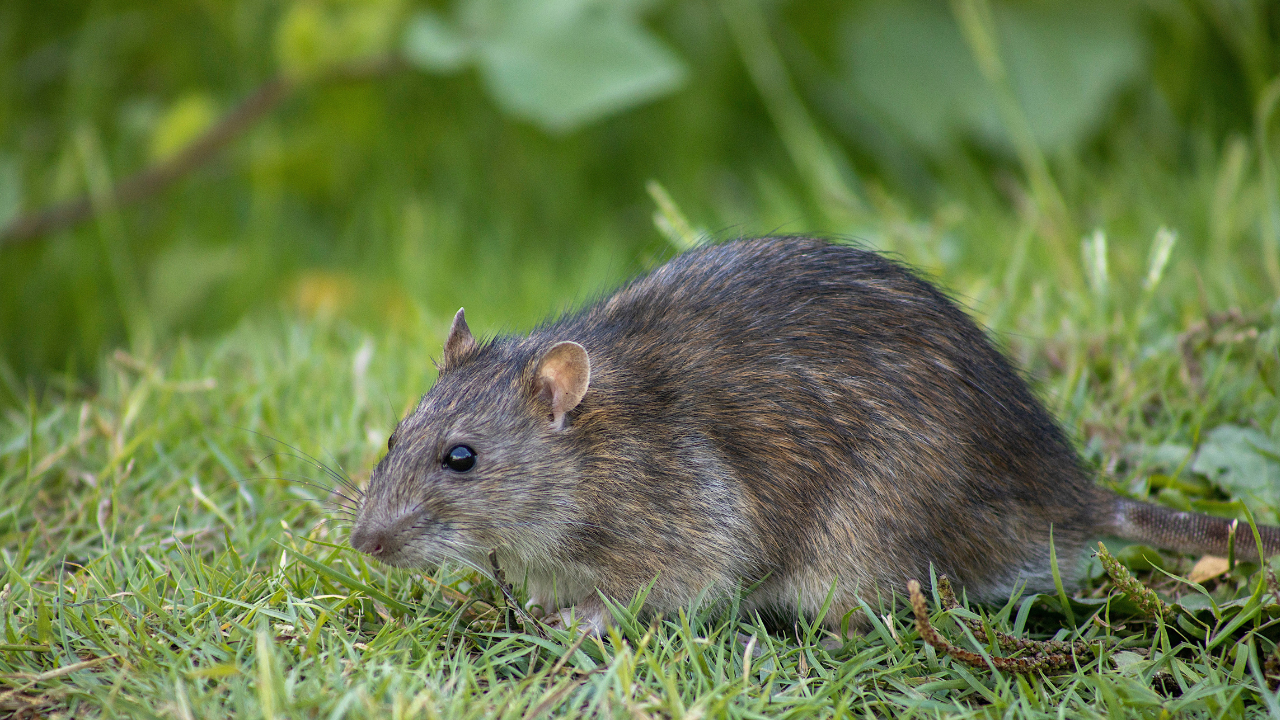
Usually somewhere between 5 and 10 ounces, with a lean build
Citrus, avocados, fruit, nuts, snails, and other easy food sources
Can have 3 to 5 litters yearly, with as many as 8 young each
Rattus norvegicus
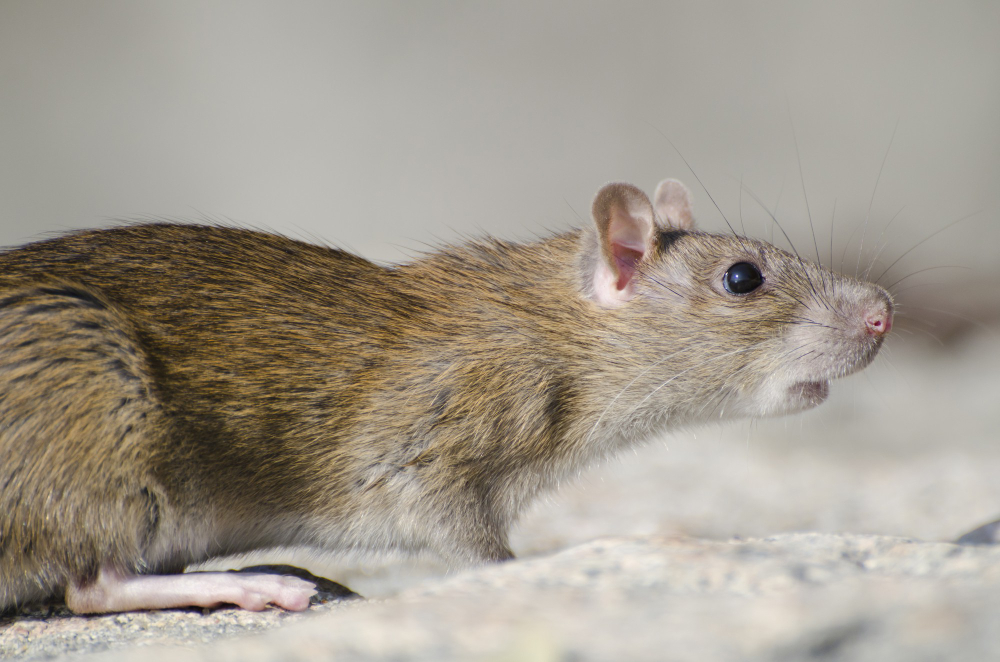
Mus musculus
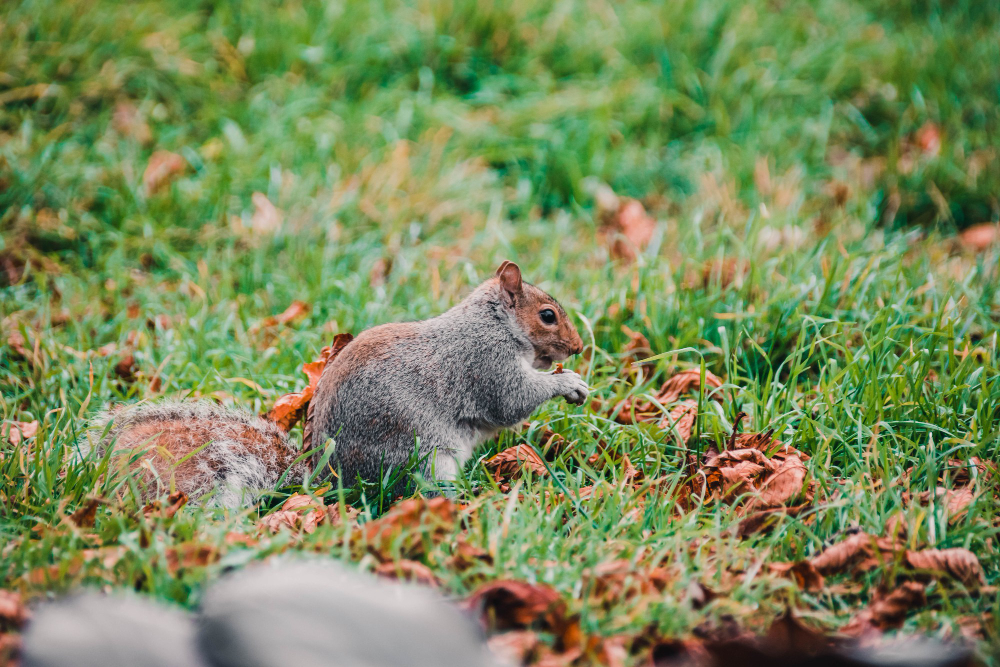
Peromyscus maniculatus
That detail matters. A furry-tailed animal could be a native woodrat, so mention what you saw when arranging the inspection with our rodent control Brea team.
Homes nearer Carbon Canyon and surrounding open space sit closer to natural rodent habitat, brush, slopes, and undeveloped travel areas.
Shared planting, fences, garages, and building lines can connect neighboring spaces, letting rodent pressure extend beyond one individual yard.
Sloped neighborhoods, trails, irrigation, and ornamental planting can create sheltered routes between open land and residential yards.
Brea’s history is tied to oranges, and fruit trees still provide the kind of easy backyard food roof rats readily use.

Trim back limbs that give climbing rats a direct roof connection.
Use sturdy screening while keeping the vent’s intended airflow intact.
Watch for repeat travel and ask utilities about suitable protection.
Thin heavy growth before it becomes cover and climbing access.
Replace failing seals that leave visible space under the door.
Close oversized pipe and wire openings with rodent-resistant materials.
Collect ripe and dropped fruit before rodents turn it into dinner.
Start with the scratching, droppings, sightings, smell, or damage that made you realize something was wrong.
We inspect likely shelter, travel routes, garages, roof access, vegetation, and openings to connect the clues together.
We explain what turned up, which areas matter most, and what service makes sense before further work moves ahead.
Active rodents are addressed while likely access points are reviewed so the same route does not remain conveniently available.
Follow-up from our Brea, CA, rodent control team helps reveal whether activity changed and whether trapping, exclusion, cleanup, or another prevention step still deserves attention.
Yes. Thick ivy, bougainvillea, shrubs, and other dense growth can provide cover or nesting opportunities for roof rats. Orange County Vector Control recommends thinning heavily matted vegetation and keeping it away from roofs, walls, fences, utility poles, and trees where practical.
Enviro-Care Pest & Termite Control Inc
318 W Katella Ave Ste B Orange, CA 92867
Business Hours
Monday through Friday: 8:00AM to 5:00PM
Saturday and Sunday: Appointments Available