
A pest inspection can feel unfamiliar if you have never scheduled one. You may know that ants keep returning to the kitchen, hear noises above the ceiling, or notice suspicious marks on wood without knowing what caused them. The purpose of the visit is to replace guesses with evidence and a practical explanation of what happens next.
Our technicians approach each property according to the concern reported, the building layout, and any available pest history. A professional pest control inspection is not necessarily a whole-house search for every possible organism. Its scope should be clear from the outset, especially when termite inspections, rodent evaluations, and general household pest services have different objectives.
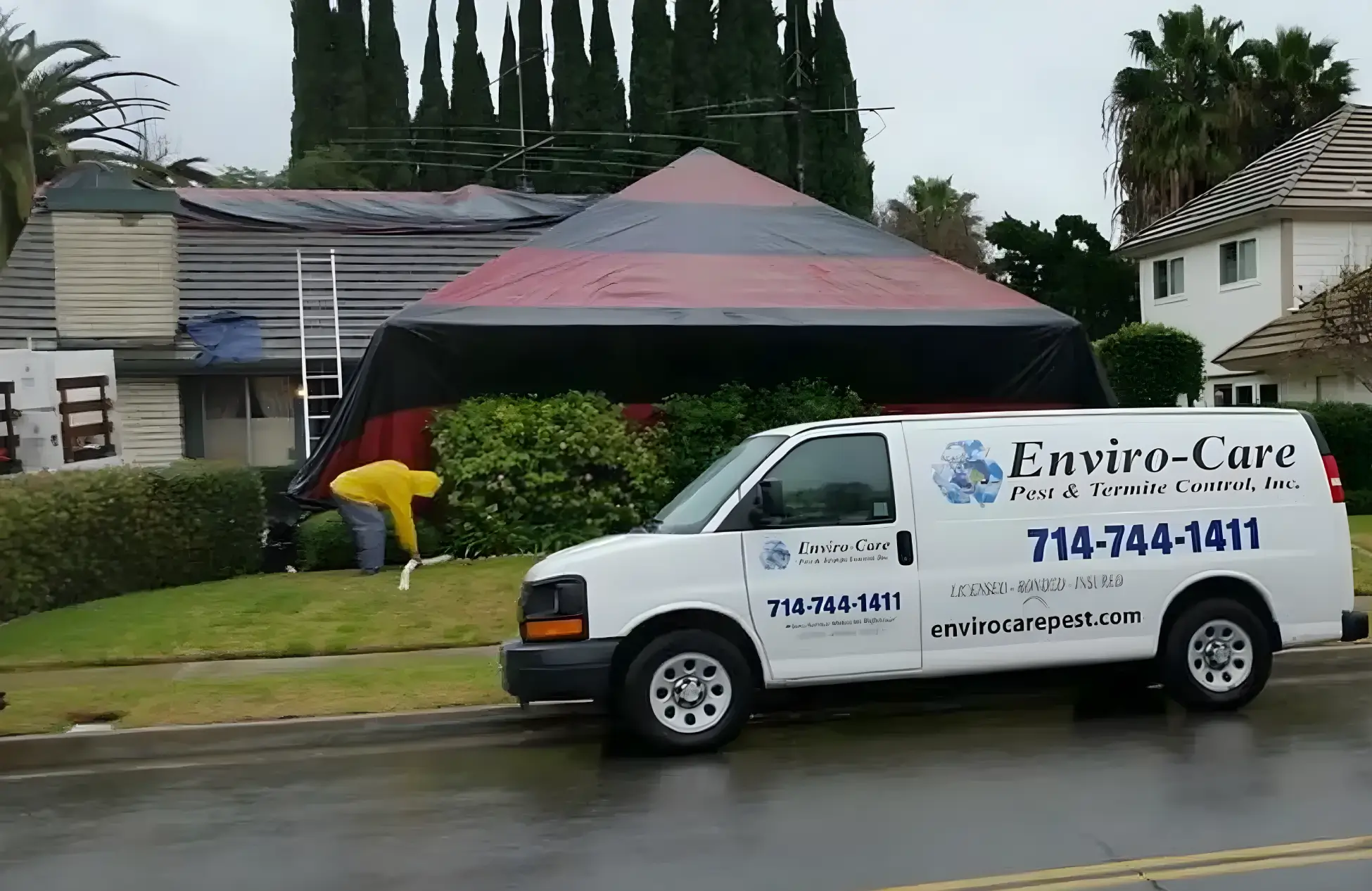
The Visit Begins With Questions and Visible Evidence
Before treatment is discussed, we ask what occupants have noticed and where the concern appears. The first sighting may not be close to the source. A mouse heard in a ceiling might be entering through a garage, while ants seen near the sink could be following a concealed route from outside.
Helpful starting information includes:
- Sighting history: Locations, frequency, and time of day can reveal recurring patterns.
- Physical signs: Droppings, damaged materials, shed skins, or insects provide evidence for identification.
- Property changes: Recent leaks, landscaping work, or stored belongings may have altered conditions.
- Earlier treatments: Knowing what was applied or repaired can prevent unnecessary repetition.
- Household needs: Pets, children, tenants, or business routines influence access and treatment precautions.
Our technicians then examine accessible locations relevant to those observations. That may include cabinet edges, plumbing areas, storage spaces, garage corners, and exterior transitions. We do not assume every stain, hole, or noise proves an infestation. Some evidence is old, and some conditions have causes unrelated to pests.
Our article on recognizing rodent activity shows how droppings, odors, and building openings can help distinguish suspected activity from confirmed findings. Similar attention to evidence is important when identifying insects and other household pests.
Inspection Findings Guide the Right Treatment Approach
Once the concern has been identified, the next step is determining where the pests live, travel, or find resources. This varies considerably among species. Termites may require examination of wood and soil connections, while cockroaches are often associated with concealed indoor harborages and moisture.
The property review may include:
- Access points: Door seals, vents, utility openings, and roofline connections are checked where relevant.
- Food conditions: Stored supplies, waste, and crumbs may support recurring activity.
- Moisture sources: Plumbing leaks, irrigation, and condensation can influence particular pests.
- Shelter locations: Clutter, insulation, wall voids, and landscape cover may provide protected spaces.
- Distribution: Evidence in several areas may reveal travel routes or a wider infestation.
An inspection does not always lead to immediate pesticide application. Sometimes identification shows that treatment is unnecessary, or that correcting a leak or damaged seal should accompany pest management. Where treatment is appropriate, our team explains the recommended methods, location, precautions, and follow-up expectations.
An important distinction is that pest services cannot replace specialized structural, plumbing, or electrical assessments. If we observe damage requiring another trade, that concern should be referred for separate evaluation. Likewise, a general pest inspection does not automatically provide the findings of a dedicated wood-destroying-organism report.
A Clear Report and Follow-Up Make the Visit More Useful
Homeowners should understand what was found rather than leave with only a treatment receipt. A useful service discussion connects observations to recommendations and explains which questions remain unresolved because an area was inaccessible.
Depending on the issue, the next steps may involve:
- Findings summary: Identifying the pest and recording where activity or vulnerability was observed.
- Treatment recommendations: Explaining the method selected and the reasons it fits the evidence.
- Preparation instructions: Clarifying any access, cleaning, or occupant precautions needed before service.
- Property improvements: Noting repairs or maintenance that may reduce future pest pressure.
- Monitoring plan: Setting expectations for follow-up and how results should be assessed.
Our article on weather-related indoor pest activity illustrates why changing moisture, shelter, and outdoor conditions can influence what an inspector finds. A one-time snapshot is informative, but comparing later activity with the initial record may reveal whether conditions have improved.
For example, a few remaining insect sightings shortly after treatment may not mean the strategy failed. The species and method used determine what progress should look like. In other cases, fresh rodent droppings after exclusion work may require checking for an overlooked route. Our technicians explain what evidence homeowners should report and when reassessment is appropriate.
A professional inspection should also be a conversation. Ask which areas were examined, whether the pest was positively identified, and what signs would justify another visit. Clear answers make it easier to coordinate necessary repairs, understand the service scope, and choose reasonable next steps.
Turn Pest Questions Into a Practical Plan
If you are unsure what is causing activity around your property, contact Enviro-Care Pest & Termite Control to arrange a professional inspection. Our team can evaluate accessible evidence, discuss appropriate options, and explain the next steps.