
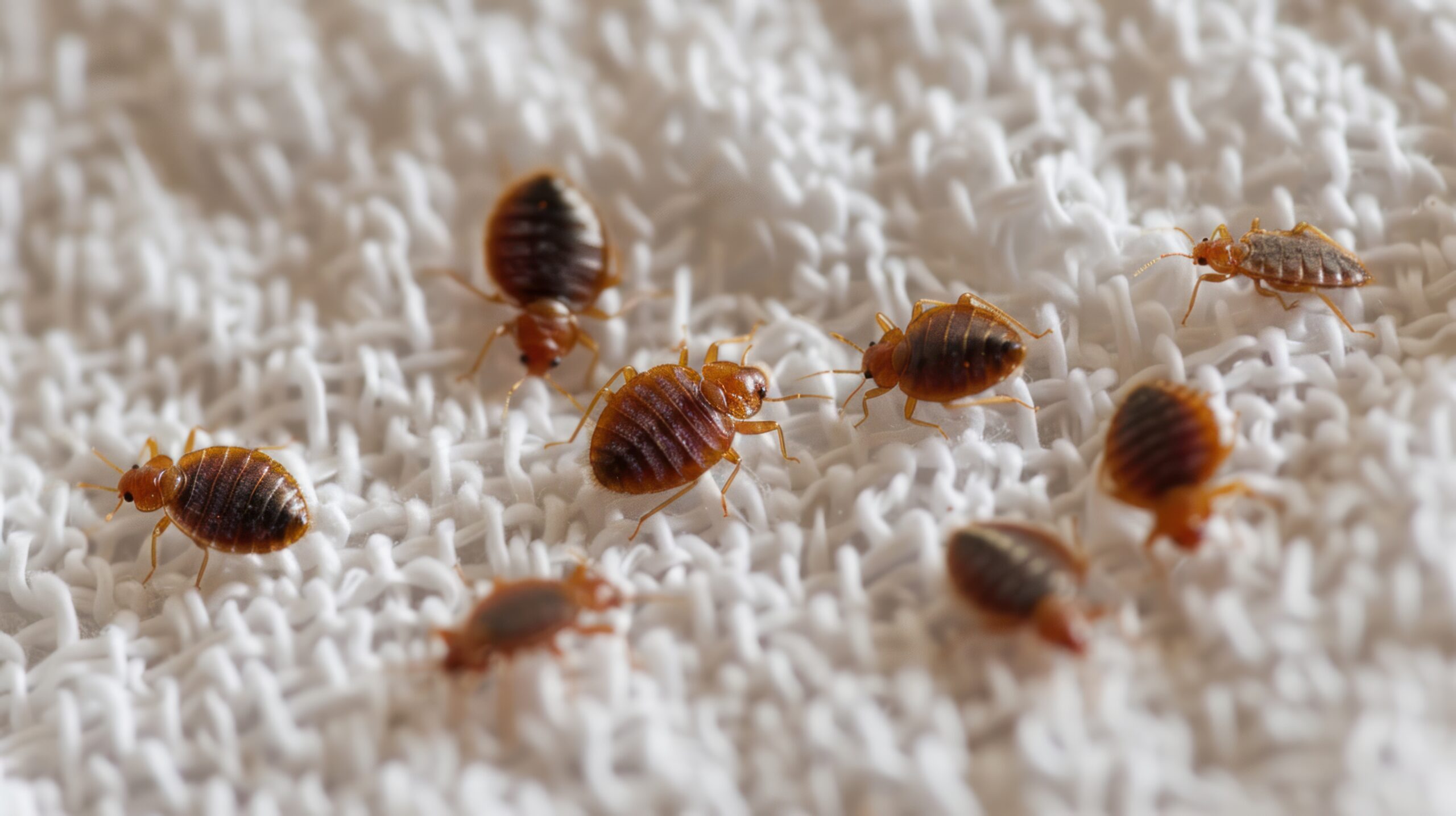
Bed bugs are skilled hitchhikers that can move from one room to another without flying or jumping. They spread by crawling through nearby spaces and by being carried on furniture, luggage, clothing, bedding, and other belongings. Because they hide in narrow, protected areas, an infestation can expand before occupants realize how far the insects have traveled. Effective bed bug control depends on finding where activity is established, understanding how the insects are moving, and treating more than the most obvious sleeping area. A mattress may be the first place people check, but beds are only one part of the environment bed bugs can use. Bed Bugs Stay Close To Where People Rest Bed bugs usually establish themselves near places where people remain still for long periods. Beds provide reliable access to a host, but nearby furniture and structural gaps can offer equally useful hiding locations. Common harborages include: Mattress seams, piping, labels, and box-spring edges Cracks in bed frames, headboards, and nightstands Upholstered chairs, sofas, and fabric-covered furniture Gaps behind baseboards, trim, and wall-mounted items Screw holes, joints, and seams in wooden furniture Clutter stored beneath or beside beds Their hiding behavior is one reason visual checks can miss an infestation. Bites are also unreliable evidence because skin reactions vary. Understanding why bed bug bites can be difficult to interpret helps explain why physical signs and careful inspection matter more than skin marks alone. Furniture Can Carry Bed Bugs Into New Rooms Furniture gives bed bugs both shelter and transportation. An infested chair, nightstand, dresser, bed frame, or upholstered item can move insects from one room to another when relocated. Used furniture can also introduce bed bugs if activity is present in seams, joints, or hidden recesses. Bed bugs can spread when: Furniture is moved between bedrooms or living areas Infested belongings are placed on beds or upholstered seating Luggage is unpacked near sleeping areas after travel Bedding or clothing is carried through multiple rooms Shared furniture moves between occupied spaces Hidden insects crawl between nearby furnishings Because insects can remain concealed during movement, relocating items without understanding the infestation may unintentionally expand the affected area. Professional inspection helps determine which items show activity and which surrounding spaces also need attention. Bedrooms Offer More Hiding Places Than Mattresses A bed is often the center of an infestation, but bed bugs can disperse as populations increase or hiding places are disturbed. They may move into furniture, wall gaps, flooring edges, curtains, and nearby objects while remaining close enough to access people. Inspection should consider: Headboards and bed frames, including joints and fasteners Nightstands and dressers positioned near sleeping areas Upholstery seams and folds around chairs or benches Baseboards, trim, and cracks near beds Items stored beneath beds or beside furniture Adjacent rooms when signs appear beyond one bedroom Finding the full distribution of activity is essential before treatment. Focusing on the mattress alone can leave established harborages untouched and allow the infestation to continue. Human Movement Helps Infestations Expand Bed bugs do not need to travel far on their own when everyday movement carries them. Clothing, bags, blankets, luggage, and personal items can transport hidden insects between bedrooms, homes, hotels, apartments, and other occupied spaces. This is why early recognition matters. Regular pest prevention can help identify developing activity before pests gain more time to reproduce and spread into harder-to-reach areas. Bed bug movement may accelerate when belongings are transferred repeatedly between rooms in response to suspected activity. Sleeping in another room can also change where insects search for a host, potentially extending the problem beyond its original location. A careful response should therefore consider occupancy patterns and item movement rather than treating each sighting as isolated. Complete Bed Bug Control Requires A Wider View Successful bed bug control is based on inspection, identification, treatment, and follow-up across areas where the insects may be hiding or moving. The goal is to address the infestation as a connected problem rather than concentrating only on visible insects. A thorough plan may include: Inspection of beds, furniture, and nearby structural hiding places Evaluation of adjacent rooms when activity suggests wider spread Identification of spotting, shed skins, or live insects Targeted treatment based on where activity is located Guidance on handling belongings without spreading hidden insects Follow-up to confirm whether activity has been eliminated Bed bugs are difficult to manage because their hiding places are small and infestations may involve multiple pieces of furniture. Repeated surface-level efforts can leave concealed insects behind. Professional evaluation provides a clearer picture of how far an infestation has spread and which areas require attention. That precision is important when the goal is to stop movement between furniture and rooms rather than simply reduce what is visible. Keep Bed Bugs From Moving Further If bed bug activity has reached bedrooms, furniture, or multiple areas of your property, contact Enviro-Care Pest & Termite Control for professional inspection and targeted bed bug control designed to address hidden activity and prevent further spread.
Why Bed Bug Bites Can Be Hard To Identify Correctly
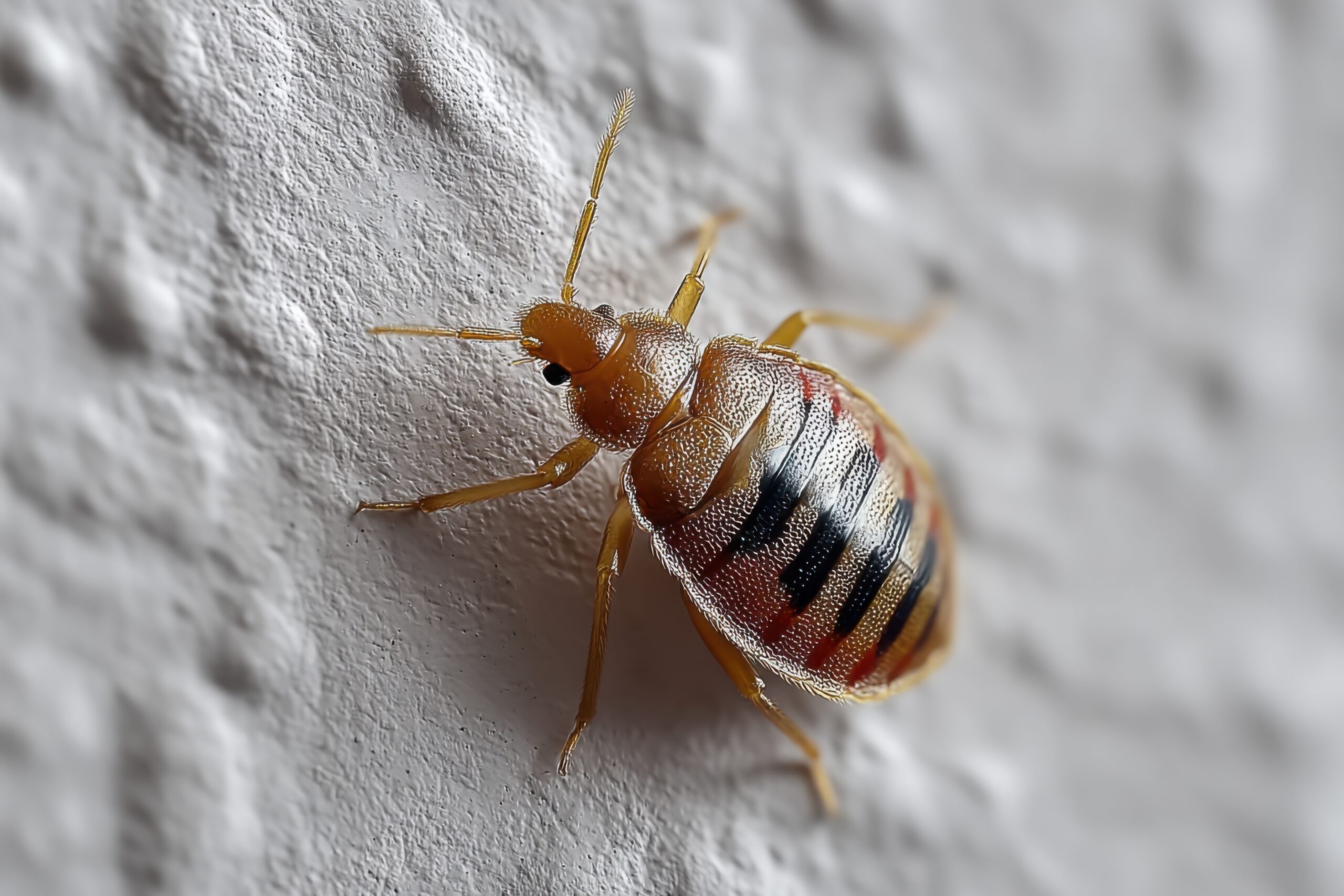
Waking with red, itchy marks can immediately raise concern about bed bugs, but bites alone rarely provide a reliable answer. Skin reactions vary widely from one person to another, and several unrelated conditions can create marks that look similar. Fleas, mosquitoes, other insects, contact irritation, and certain skin conditions may all be mistaken for bed bug activity. Professionals do not identify an infestation from a photograph of a bite. Technicians look for evidence in resting areas, consider how the marks developed, and rule out other likely sources. That evidence-based approach prevents unnecessary treatment while helping confirmed activity receive the focused response it requires. Skin Reactions Do Not Follow One Pattern Bed bugs feed on exposed skin, but the body’s response depends on individual sensitivity. Some people develop noticeable welts within hours. Others may not see marks until days later, and some show little or no visible reaction. Two people sharing the same room can therefore have very different experiences. Possible bite-related observations include: Red or raised marks that itch or feel irritated Several spots appearing close together or in a loose line Reactions on arms, legs, shoulders, neck, or other exposed areas New marks noticed after sleeping or resting in one location Different reaction times among members of the same household None of these patterns confirms bed bugs. Appearance, spacing, and timing can suggest that an inspection is worthwhile, but they cannot identify the insect with certainty. Other Causes Can Look Remarkably Similar Many bites and skin reactions overlap visually. Fleas may leave small, itchy marks, often around ankles or lower legs, while mosquitoes can produce isolated welts. Ants, spiders, and other insects may also be blamed when the actual cause is unclear. Irritation from fabrics, detergents, medications, or environmental exposure can further complicate the picture. This uncertainty is one reason regular pest prevention matters. Routine inspection can identify developing pest evidence before residents must rely on skin symptoms alone. It can also reveal whether activity involves bed bugs, fleas, rodents, cockroaches, ants, spiders, termites, wasps, bees, or another pest covered by the company. A medical professional should evaluate persistent, severe, infected, or otherwise concerning skin reactions. A pest technician’s role is different: finding or ruling out pest evidence within the property. Physical Evidence Provides A Clearer Direction Bed bugs usually stay close to places where people rest for extended periods. They may hide in mattress seams, bed frames, upholstered furniture, headboards, baseboards, and nearby cracks. Because they are small and skilled at remaining concealed, inspection requires patience and familiarity with their signs. Technicians commonly look for: Live bed bugs in seams, joints, folds, and protected gaps Dark spotting or fecal marks near hiding and resting areas Pale shed skins left behind as developing bugs grow Eggs or eggshells tucked into narrow, undisturbed spaces Blood spotting or repeated activity around beds and furniture One mark on a sheet or one unexplained skin reaction is not enough. Professionals compare several clues, inspect adjoining areas, and determine whether the evidence is current. This keeps the response tied to confirmed conditions instead of fear or guesswork. Inspection Prevents The Wrong Treatment Treating the wrong pest can waste time, spread products into unnecessary areas, and allow the real source to continue. Bed bug service also differs from general insect control because preparation, treatment placement, furniture inspection, and follow-up must reflect how these insects hide and reproduce. The value of professional identification begins with inspection rather than assumptions. A technician reviews sleeping areas, recent travel, secondhand furniture, visitor activity, adjoining rooms, and the location of suspected bites. Bed bugs can hitchhike on luggage, belongings, furniture, or clothing, so understanding recent movement may help define the inspection area. A careful assessment may show that bed bugs are present, that another covered pest is responsible, or that no pest evidence is visible. Each finding leads to a different next step. Confirmed Activity Needs A Complete Response Once bed bugs are verified, treatment should address more than the insects seen on the mattress surface. Hidden bugs, eggs, and developing stages may remain in furniture joints, wall-side gaps, or nearby resting areas. A one-time surface application may reduce visible activity without reaching the full infestation. Professional pest control may include: Mapping confirmed evidence across bedrooms and shared resting spaces Inspecting mattresses, frames, furniture, baseboards, and adjacent areas Providing property-specific preparation and reentry instructions Applying targeted treatment to appropriate hiding locations Scheduling follow-up to evaluate remaining or newly emerged activity Residents should follow the preparation instructions provided for the selected treatment. Moving belongings without a plan can spread hidden bugs, while discarding furniture prematurely may not remove activity elsewhere in the room. Bite-like marks deserve attention, but they are only one part of the investigation. Reliable identification comes from combining reported reactions with physical evidence, travel history, room use, and a detailed inspection. That process protects the household from both overlooked infestations and unnecessary treatment. Replace Uncertainty With A Clear Inspection Contact Enviro-Care Pest & Termite Control for professional bed bug inspection, accurate identification, targeted treatment, and practical follow-up guidance.