
Summer heat changes how pests behave around a property. As outdoor temperatures rise, insects and rodents may move toward cooler, shaded, or more stable conditions. Homes can offer water, food, and protected shelter during prolonged hot weather.
Professional pest control looks at those pressures together. Ants, fleas, cockroaches, spiders, rodents, bed bugs, termites, wasps, bees, and stored-product pests can all respond differently to heat, moisture, and access. Understanding why activity is increasing helps determine whether the problem started outdoors or developed inside.
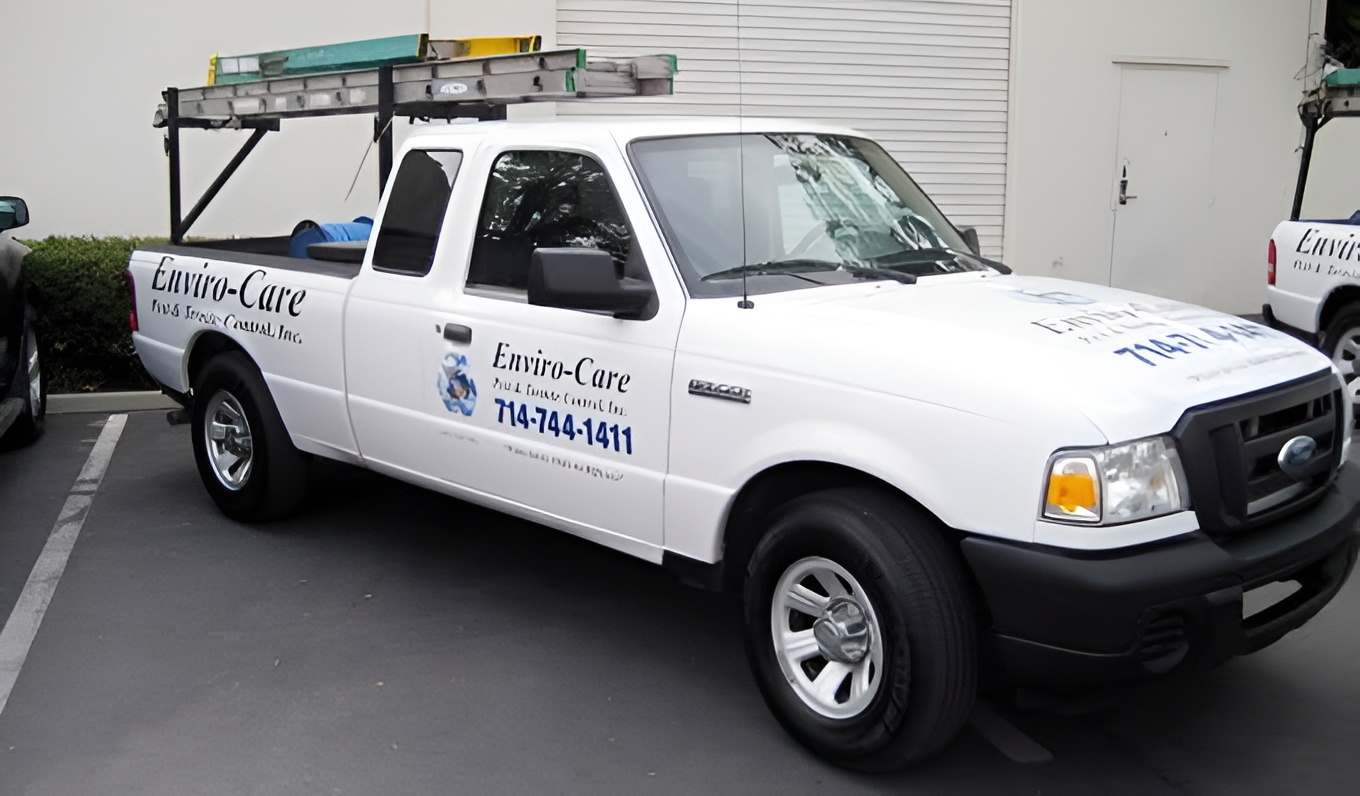
Heat Can Push Pests Toward Cooler Indoor Areas
Extreme temperatures can make indoor spaces more appealing to pests searching for stable shelter. Kitchens, bathrooms, garages, attics, crawl spaces, and wall voids can provide cooler conditions along with access to water or food.
Common summer pressure points include:
- Gaps around doors, windows, and utility lines
- Plumbing areas that provide dependable moisture
- Garages with stored food, cardboard, or clutter
- Attics with roofline openings or damaged vents
- Kitchens where crumbs and grease remain accessible
- Bathrooms and laundry areas with leaks or condensation
Rodents may also enter attics or garages when outdoor conditions become less favorable. If scratching or waste appears overhead, understanding attic droppings can help explain why professional identification matters before treatment or exclusion begins.
Moisture Becomes More Important During Hot Weather
Heat does not act alone. Water often becomes one of the strongest reasons pests move closer to homes during summer. Irrigation, leaking pipes, condensation, pet-water areas, and damp landscaping can create dependable moisture when surrounding conditions are dry.
Cockroaches, ants, spiders, fleas, and other pests may concentrate near kitchens, bathrooms, patios, or utility areas where moisture remains available. Spiders may follow the insects gathering around those same resources, while rodents can benefit from both water and shelter.
Professional inspection helps connect pest sightings with the conditions supporting them. A cockroach near a sink, for example, may be linked to a plumbing gap, a hidden leak, or activity inside nearby cabinetry. Treating only the visible insect may not address why the area keeps attracting pests.
Entry Points Become More Important As Outdoor Pressure Builds
Summer pest activity often starts outside before it becomes noticeable indoors. Heat, dry soil, landscaping, and shifting food sources can increase movement around foundations and exterior walls.
Areas worth checking include:
- Worn door sweeps and weatherstripping
- Torn screens around windows or vents
- Cracks along foundations or exterior walls
- Gaps around cable, plumbing, and electrical penetrations
- Roofline openings near soffits or fascia
- Garage doors that do not seal tightly
Small openings can become repeated access routes. Professional pest control can help determine which gaps are actually being used instead of treating every crack as equally important.
Exclusion works best when it is paired with inspection and targeted treatment. If pests are already inside, sealing openings without understanding the activity can leave part of the problem hidden in the structure.
Indoor Activity Can Keep Growing After Summer Begins
Once pests find stable indoor resources, they may remain active even when outdoor conditions change. Cockroaches can settle around kitchens and bathrooms, spiders may stay near insect prey, rodents can travel through walls or attics, and bed bugs can continue spreading around sleeping or resting areas.
This is where eco-conscious treatments can fit into a professional plan when appropriate. Effective treatment still depends on accurate identification, correct placement, and attention to the areas where pests are actually active.
Summer can also increase how often people notice pests because doors open more frequently, outdoor activities bring more materials inside, and travel can introduce hitchhiking pests such as bed bugs or fleas. Professional evaluation helps separate seasonal entry from established infestation.
Long-Term Summer Control Requires Monitoring And Follow-Up
A one-time reduction in visible pests does not always mean the underlying pressure is gone. Weather, irrigation, landscaping, food availability, and structural access can continue changing through the season.
A complete summer plan may include:
- Identifying the pest before choosing treatment
- Inspecting indoor and outdoor activity zones
- Correcting leaks and persistent moisture problems
- Sealing confirmed entry points around the structure
- Applying targeted treatment where activity is concentrated
- Scheduling follow-up when signs return or shift
Professional pest control becomes more effective when technicians can compare new activity with earlier findings. A recurring ant trail, fresh rodent droppings, renewed cockroach sightings, or spider webs in the same area may show that an entry point, moisture source, or harborage still needs attention.
Summer heat does not create every pest problem, but it can change where pests move and what resources they seek. Homes that provide cooler shelter, water, food, or easy access may experience more indoor activity during the hottest part of the year. Addressing those conditions early helps keep treatment focused and reduces the chance that seasonal pressure becomes a long-term infestation.
Keep Summer Pest Pressure From Moving Indoors
If heat is driving pest activity into your home, contact Enviro-Care Pest & Termite Control for professional inspection, targeted pest control, prevention, and follow-up tailored to your property.