
Termites are slow compared with a sudden plumbing leak or storm event, but they can still create meaningful damage within one year when conditions are favorable. The level of damage depends on colony size, termite type, wood access, moisture, temperature, and how long the activity was present before anyone noticed it. A home may look normal on the surface while feeding continues behind walls, below flooring, near trim, or along foundation-connected wood.
Termite control is important because early damage is often hidden. Homeowners may only see a few wings, a thin mud tube, or soft wood, yet those clues can point to established activity. The risk is not only what termites can do in one year. It is what may already be happening out of sight before the first sign appears.
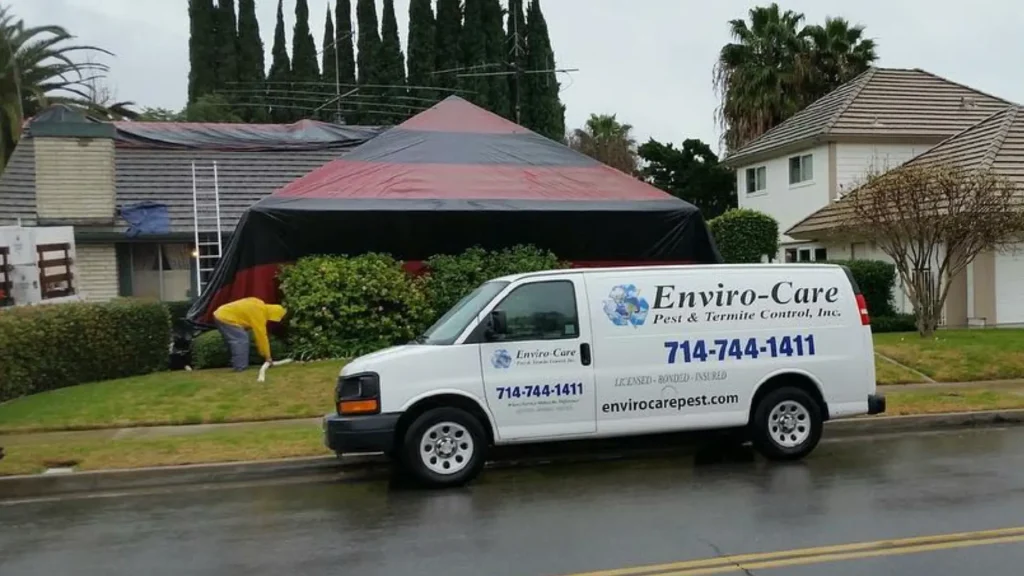
Damage Depends On Access And Conditions
Termites need food, shelter, and the right environmental conditions. If they find wood, moisture, and protected travel routes, they can keep feeding with little disturbance. In some homes, damage may remain mostly cosmetic after a year. In others, hidden activity can affect trim, framing, flooring, or wall materials to the point that repair is required.
Important risk factors include:
- Moisture near foundations, bathrooms, kitchens, crawl spaces, or exterior walls
- Wood-to-soil contact around decks, siding, posts, or stored materials
- Cracks, utility gaps, and foundation openings that support hidden movement
- Previous termite history or nearby termite pressure
- Uninspected wall voids, subfloor areas, garages, or attic wood
Because these conditions vary, there is no safe waiting period. A year can be long enough for termites to cause damage, especially when activity began before it was discovered.
Early Signs May Not Show The Full Problem
One reason termites are so concerning is that visible signs rarely show the full extent of the issue. A mud tube on a garage wall may connect to activity below the slab or inside framing. Discarded wings near a window may suggest swarmers came from an active colony. Wood that sounds hollow may already have internal feeding.
Surface treatment can create false confidence when the source remains hidden. Store-bought products may affect visible insects, but termites often move through concealed wood, soil-connected areas, and protected routes. A closer look at missed pest sources explains why the problem seen in the open is often only part of the activity.
Professional inspection helps determine whether the sign is old, active, localized, or connected to a larger structure-wide concern. It also helps separate termite evidence from moisture wear, aging materials, or other pest activity that may require a different response.
What One Year Of Ignoring Termites Can Cost
Ignoring termites for a year can turn a manageable concern into a more expensive one. The cost may not appear immediately because damage can stay behind drywall, beneath floors, or inside wood members. By the time repairs begin, the affected area may be larger than expected.
Possible consequences include:
- Damaged baseboards, trim, flooring, or window and door frames
- Weakened wood in hidden spaces that require opening walls or floors
- Moisture problems that continue to support termite activity
- Confusion between old damage and active feeding during later inspections
- More complicated treatment planning is required if the activity spreads beyond one area
Termites also create uncertainty during remodeling, refinancing, property management, or real estate preparation. A small sign ignored today may become a bigger question when the home is inspected later.
Professional Evaluation Reduces Guesswork
Termite concerns should be handled with evidence. A professional inspection looks at the sign, the structure, and the conditions that allowed activity to develop. The process may include checking foundation edges, garage walls, crawl spaces, attics, plumbing areas, wood trim, and moisture-prone rooms.
A careful termite plan may include:
- Identifying whether termites, ants, rodents, bed bugs, spiders, roaches, fleas, or another issue is involved
- Locating active termite signs, hidden access points, and moisture conditions
- Choosing termite treatment based on structure, location, and activity level
- Recommending follow-up inspections to confirm continued protection
- Addressing prevention factors that may invite repeat activity
This kind of inspection-based service is safer than assuming all pests can be handled the same way or that visible evidence tells the whole story. A guide to safer pest decisions shows why identification, treatment placement, and follow-up matter.
A house can suffer termite damage within one year, but the better question is whether the home already has conditions that allow termites to feed unnoticed. Since termite activity is often hidden, waiting to see if damage becomes obvious gives the pest more time. Professional service helps protect the structure by finding the source, treating the right areas, and guiding long-term prevention before repairs grow.
Protect Hidden Wood Before Damage Spreads
Termite warning signs deserve inspection before a small clue becomes a costly repair. For professional termite control, termite treatment, rodent removal, bed bug extermination, flea control, insect and spider control, roach concerns, and related pest support, contact Enviro-Care Pest & Termite Control.