
Repeat pest complaints are frustrating for tenants, property managers, maintenance teams, and owners. A resident reports roaches, rodents, ants, or termites in or around a managed property. Service is completed, the activity declines, and then another complaint appears weeks later. When this happens, the problem is often larger than one visible pest or one isolated unit.
Effective pest control for managed properties depends on consistency, documentation, inspection, and communication. Apartments, HOAs, commercial buildings, and multi-unit properties have shared walls, utility lines, trash areas, landscaping, and common zones that can allow pest pressure to move. A professional plan helps property managers find patterns, address the source, and reduce repeated complaints.
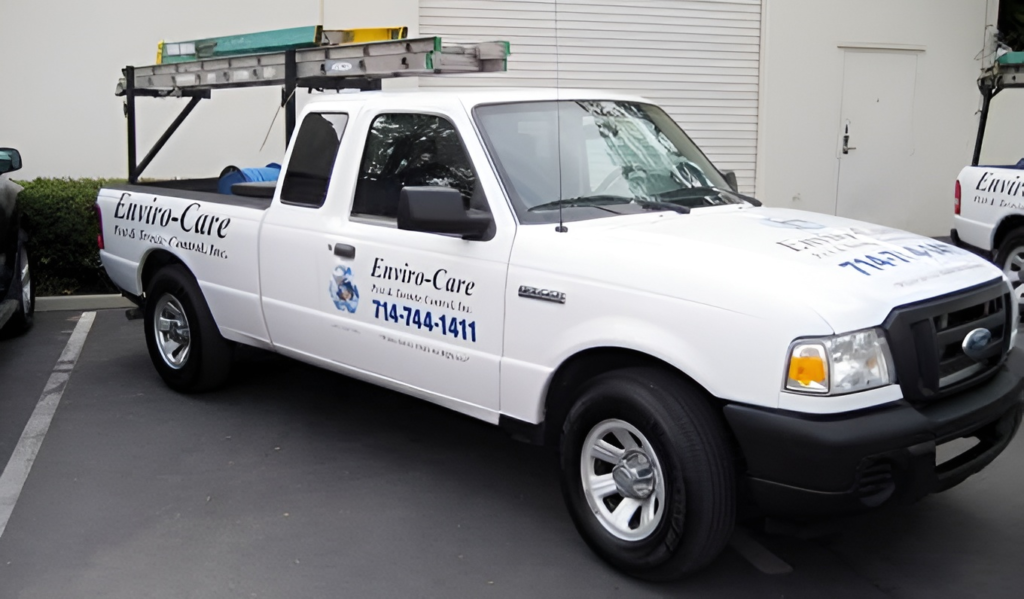
Start With Inspection And Better Documentation
Repeated activity in nearby units or shared areas can point to a wider source. Good records help reveal whether complaints are connected by location, pest type, timing, moisture, sanitation, or structural access.
Property managers should track:
- Which unit, building, floor, or common area reported the problem
- What pest was seen, and whether photos or physical evidence are available
- When the activity started and whether it changes by time of day or season
- What treatment, inspection, repair, or follow-up was completed
- Whether nearby units or adjoining spaces show similar signs
This information gives technicians a stronger starting point, allowing them to inspect the affected area and compare it with previous activity. A thoughtful discussion of safer pest decisions shows why identification and targeted treatment are more effective than broad reactions based on assumptions.
Professional inspection can also identify moisture, food sources, gaps, damaged seals, hidden nesting areas, and structural conditions that may keep pests active after the first service.
Coordinate Tenants, Maintenance, And Treatment
Repeat complaints often happen when communication breaks down. A technician may treat one unit while the neighboring unit remains inaccessible. A leak may be reported but not repaired. Trash may continue accumulating near a service area. Tenants may not know how to prepare for service or what follow-up signs to report.
A better process includes:
- Giving tenants clear preparation instructions before the appointment
- Providing reasonable access to adjoining units when the pest may spread
- Sharing relevant maintenance concerns with the pest-control technician
- Repairing plumbing leaks, gaps, damaged screens, and other contributing conditions
- Explaining what activity may continue temporarily after treatment
This coordination is especially important for rodents, cockroaches, bed bugs, ants, termites, fleas, spiders, and other listed pest concerns. These pests behave differently, but many can move through shared walls, utility penetrations, hallways, crawl spaces, garages, or exterior routes.
Property managers should also set realistic expectations. Some infestations require follow-up because eggs hatch, pests shift locations, or the original population was hidden. A clear service plan helps tenants understand what was done, what should happen next, and when they should report continued activity.
Use Prevention To Break The Repeat-Complaint Cycle
The strongest property-management plan does more than react to complaints. It looks for the conditions that make those complaints likely to return. Regular inspections, preventive treatments, structural maintenance, sanitation standards, and follow-up can reduce the number of emergencies and improve tenant confidence.
A preventive program may include:
- Scheduled inspections of units, common areas, garages, trash zones, and exterior perimeters
- Monitoring for rodents, roaches, ants, bed bugs, termites, fleas, and spiders
- Reviewing moisture, drainage, landscaping, stored materials, and food sources
- Sealing cracks, utility gaps, door openings, and other pest-access points
- Following up after treatment to confirm whether activity has declined or shifted
Termites deserve special attention because they can damage property quietly and become expensive when inspections are delayed. Guidance for property managers explains how proactive termite inspections and localized treatment can help reduce disruption and avoid larger repair costs when activity is caught early.
That same preventive mindset benefits general pest control. A recurring roach complaint may point to moisture or shared plumbing. Rodent activity may connect to roofline gaps, trash storage, or garage openings. Fleas may involve pet areas or exterior pressure. Bed bugs may spread through furniture, travel, or adjoining spaces. The technician needs enough information to see the whole pattern.
Professional service also gives property managers a documented history. Inspection notes, photos, recommendations, and follow-up dates make it easier to track what changed and whether the response worked. This documentation is useful for maintenance planning, tenant communication, HOA boards, commercial clients, and long-term budgeting.
Repeat pest complaints usually continue when the response stays reactive. A better system connects inspection, communication, repairs, treatment, prevention, and follow-up. When property managers act on the source instead of only the symptom, the property becomes easier to maintain, and tenants receive clearer, more consistent support.
Build A More Reliable Pest Management Plan
Repeat complaints are easier to reduce when property managers have a clear process for inspection, documentation, treatment, repairs, and follow-up. For professional pest control, termite inspections, rodent removal, bed bug extermination, flea control, insect and spider control, and customized service plans for managed properties, contact Enviro-Care Pest & Termite Control.