
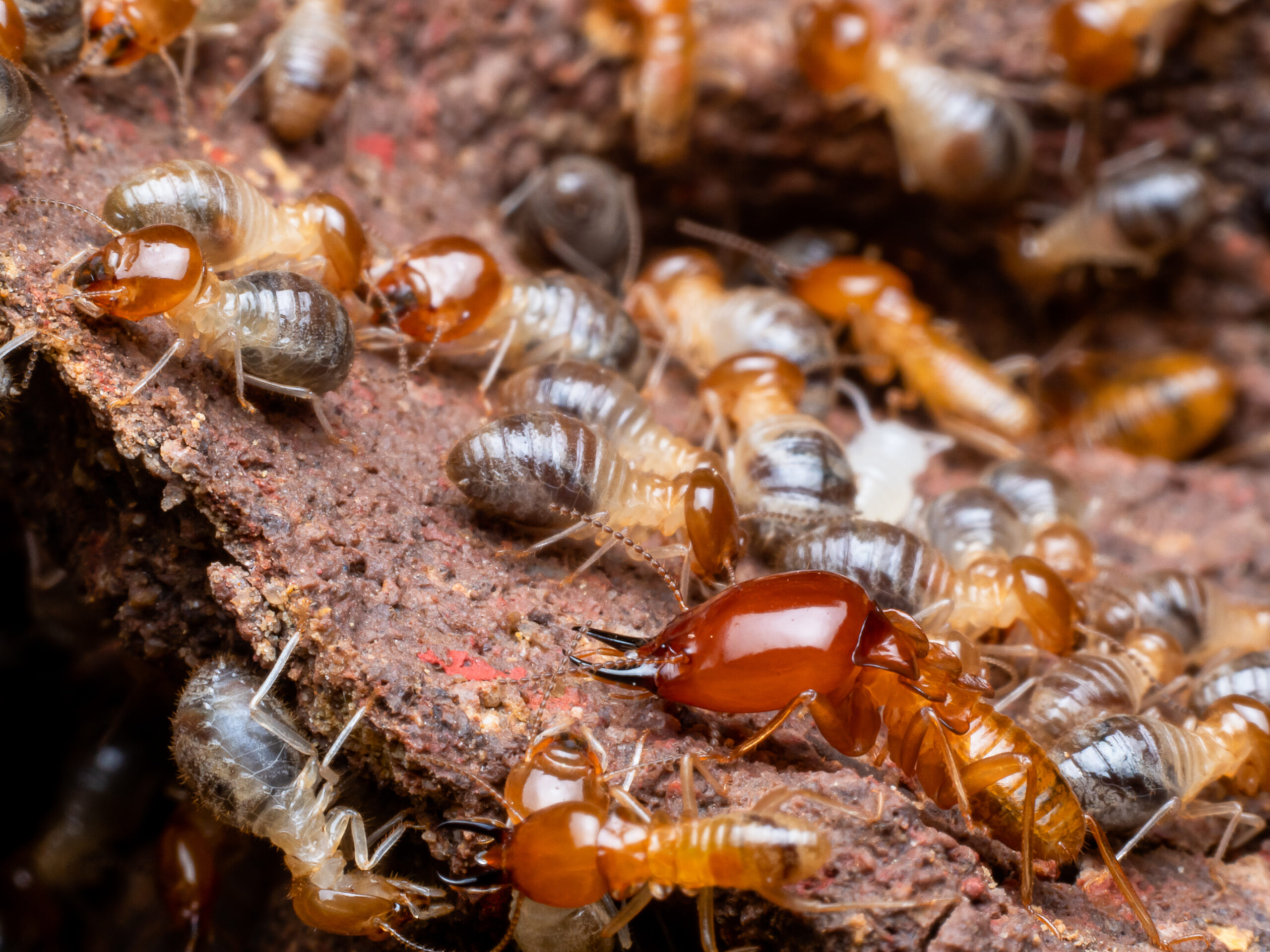
Subterranean termites can remain active around a home even as the hottest part of summer begins to fade. These termites live in soil and move toward structures through hidden pathways, using moisture and cellulose-based materials as they forage. Because much of their activity takes place below ground or inside structural wood, homeowners may not notice a problem until damage has progressed. Effective termite control starts with understanding where soil, moisture, wood, and structural access overlap. Late summer is an important time to watch those conditions because irrigation, warm soil, humid pockets, and seasonal wear can continue supporting subterranean termite movement around foundations. Why Soil Moisture Keeps Termite Activity Going Subterranean termites depend on moisture to survive, so the soil around a foundation plays a major role in how they approach a structure. Summer heat can dry exposed ground, but irrigated landscaping, leaking plumbing, shaded areas, and poor drainage may keep certain zones damp. Conditions worth watching include: Irrigation that repeatedly wets soil beside the foundation Leaking hose bibs, pipes, or outdoor fixtures Mulch or landscape beds that hold moisture Low spots where water collects after watering Wood materials stored directly against soil Dense vegetation that keeps foundation edges shaded A broader look at summer pest movement explains how indoor heat pressure can push different pests toward cooler or more stable areas. For subterranean termites, soil moisture can continue providing a protected route even when outdoor temperatures remain high. How Mud Tubes Reveal Hidden Foundation Access Mud tubes are one of the most recognizable signs of subterranean termite activity. Termites build these narrow soil-based pathways to travel between the ground and wood while protecting themselves from open air and drying conditions. Tubes may appear on foundation walls, piers, slab edges, plumbing penetrations, or other sheltered surfaces. However, not every active route is easy to see. Termites may travel through cracks, concealed foundation transitions, or interior wall spaces without leaving an obvious tube in a highly visible area. Professional inspection matters because technicians evaluate more than one surface sign. They look at the route, nearby moisture, structural materials, and whether the evidence appears active. That helps distinguish current termite pressure from old damage or inactive tubes. Wood-To-Soil Contact Can Increase Risk When structural or stored wood touches soil, subterranean termites gain a shorter path to cellulose. Even when the main foundation is concrete, nearby wood can create conditions that make access easier. High-risk areas can include: Fence posts or landscape timbers touching the structure Deck supports with direct soil contact Scrap lumber stored beside foundations Wood siding positioned too close to grade Crawl-space framing near damp soil Form boards or construction debris left underground These conditions do not automatically mean a termite infestation is present, but they can reduce the distance termites need to travel before reaching a food source. Professional termite control considers these details when deciding where inspection, treatment, or monitoring should be concentrated. Reducing unnecessary wood-to-soil contact also makes future inspections easier because foundation edges remain more visible. Hidden Damage Can Continue Before Homeowners Notice Subterranean termites often feed inside wood, leaving the outer surface intact while galleries develop underneath. That makes early damage easy to miss, especially in sill plates, joists, wall framing, subfloors, or areas hidden behind finished surfaces. A closer look at hidden termite damage helps explain why visible deterioration may appear late in the process. By the time wood sounds hollow, trim weakens, or surfaces begin to change, termites may have been active for some time. This is why seasonal inspection matters even when a home looks normal. Late summer can be a useful point to review moisture conditions, foundation edges, previous repairs, and areas where termite evidence has appeared before. Professionals can compare current findings with earlier conditions and determine whether treatment should begin or whether monitoring is appropriate. Long-Term Foundation Protection Depends On Follow-Up Subterranean termite pressure can change as rainfall, irrigation, landscaping, and soil moisture change. A property that appears quiet after one treatment may still need monitoring because termites can forage from different directions over time. A long-term plan may include: Inspecting foundation edges and accessible structural wood Monitoring areas with previous termite evidence Correcting recurring moisture and drainage problems Reducing wood-to-soil contact near the home Applying targeted treatment where activity is confirmed Scheduling follow-up based on property conditions Professional termite control adds value because the strategy can be adjusted as evidence changes. Subterranean termites differ from drywood termites, which is important because each type approaches the structure differently and may require a different treatment plan. Late summer should not be treated as the end of termite risk. Warm soil, irrigation, hidden moisture, and concealed access can continue supporting subterranean activity around foundations. The strongest protection comes from identifying the conditions that encourage termites, inspecting for evidence, treating confirmed activity, and continuing to monitor the structure over time. Protect The Foundation Before Damage Spreads If you are concerned about subterranean termite activity around your home, contact Enviro-Care Pest & Termite Control for professional inspection, termite control, treatment, and long-term monitoring based on your property’s conditions.

Why Termite Damage Often Starts Before You Notice It
Termite damage rarely begins with a dramatic warning. In many homes, feeding starts inside wood, beneath flooring, behind wall finishes, or along foundation-connected areas that are not part of daily view. The structure may look normal while termites continue moving through protected routes, feeding steadily without obvious disruption to daily life. Orange County properties can face both drywood and subterranean termites. Each type behaves differently, but both can remain concealed long enough for damage to develop before homeowners recognize a clear sign. Professional pest control focuses on the evidence, construction, moisture, and access conditions that reveal where activity may be occurring. Termites Feed Where Surfaces Hide The Evidence Termites often consume wood from the inside outward. A thin exterior layer may remain intact while galleries expand beneath it, allowing trim, framing, flooring, or wall-side materials to appear sound. Subterranean termites may travel from soil through mud tubes, while drywood termites can remain inside infested wood without needing soil contact. Early evidence may include: Mud tubes along slabs, foundations, supports, or garage walls Discarded wings near windows, doors, vents, or light sources Wood that sounds hollow or breaks along hidden galleries Pellet-like frass beneath drywood termite activity Bubbling paint, soft trim, or unexplained surface changes One clue does not show the full extent of the infestation. Technicians compare several signs and inspect nearby areas to determine whether activity is old, current, localized, or connected to a wider problem. A Year Can Be Long Enough For Meaningful Damage Termites work more slowly than a burst pipe or storm, but steady feeding can still create costly damage within a relatively short period. Colony size, termite species, wood access, moisture, temperature, and the time activity existed before discovery all influence how quickly repairs become necessary. The discussion of one-year termite damage explains why there is no reliable waiting period. A few wings or one small tube may be the first visible sign of activity that has already continued behind walls or below flooring. Delaying inspection gives termites more time to extend galleries into adjacent wood. It can also make later repairs more complicated because technicians and contractors must separate active feeding from old damage before work begins. Moisture And Structural Access Support Hidden Activity Termites need favorable conditions, and many of those conditions develop outside normal living areas. Plumbing leaks, irrigation overspray, damp crawl spaces, shaded foundation edges, wood-to-soil contact, and stored lumber can support termite access or keep vulnerable wood moist. A professional inspection may evaluate: Foundation cracks, utility gaps, and slab transitions Bathrooms, kitchens, laundry areas, and plumbing connections Deck posts, siding, fencing, and wood touching soil Garages, crawl spaces, attics, and low-visibility structural areas Irrigation, drainage, mulch, and moisture near exterior walls These conditions do not prove that termites are present. They help inspectors identify where evidence is more likely to appear and where prevention or treatment may need to focus. Inspection Makes Eco-Conscious Treatment More Precise Eco-conscious termite service begins with accurate identification and careful placement, not with treating every surface. The value of eco-friendly treatment options comes from matching the method to the pest, structure, activity level, and household needs. A professional plan may include: Confirming whether drywood or subterranean termites are involved Mapping active wood, soil routes, and moisture-prone areas Selecting localized or broader treatment based on findings Explaining preparation, access, and safety requirements Scheduling follow-up to monitor continued protection This inspection-led process can limit unnecessary application while still addressing concealed activity. It also helps technicians avoid confusing termite damage with decay, water intrusion, ants, rodents, bed bugs, fleas, cockroaches, spiders, or other handled pest concerns that require different service. Early Professional Attention Protects Long-Term Value The greatest risk with termites is not only the damage visible today. It is the uncertainty around how long activity has been present and how far it extends beyond the first sign. Repairing one board or covering a damaged surface does not resolve the source if termites remain active nearby. Professional pest control connects inspection, identification, treatment, prevention, and follow-up. Technicians can document affected areas, recommend moisture or wood-contact corrections, and coordinate the order of treatment and repair. This prevents useful evidence from being removed before the infestation is understood. Routine inspections are also valuable after treatment. Irrigation can shift, plumbing can begin leaking, landscaping can conceal foundation edges, and new cracks can create access. Follow-up gives professionals a record for comparing fresh signs with earlier findings. Termite damage often starts before anyone notices because the colony works inside protected wood and hidden structural routes. By the time visible evidence appears, feeding may already extend beyond the first affected surface. Early inspection provides the clearest path to focused treatment, practical prevention, and reduced repair uncertainty. Find The Damage Before It Finds More Wood Contact Enviro-Care Pest & Termite Control for professional termite inspection, targeted pest control, eco-conscious treatment options, and dependable follow-up.
Can Termites Damage A House Within Just One Year?
Termites are slow compared with a sudden plumbing leak or storm event, but they can still create meaningful damage within one year when conditions are favorable. The level of damage depends on colony size, termite type, wood access, moisture, temperature, and how long the activity was present before anyone noticed it. A home may look normal on the surface while feeding continues behind walls, below flooring, near trim, or along foundation-connected wood. Termite control is important because early damage is often hidden. Homeowners may only see a few wings, a thin mud tube, or soft wood, yet those clues can point to established activity. The risk is not only what termites can do in one year. It is what may already be happening out of sight before the first sign appears. Damage Depends On Access And Conditions Termites need food, shelter, and the right environmental conditions. If they find wood, moisture, and protected travel routes, they can keep feeding with little disturbance. In some homes, damage may remain mostly cosmetic after a year. In others, hidden activity can affect trim, framing, flooring, or wall materials to the point that repair is required. Important risk factors include: Because these conditions vary, there is no safe waiting period. A year can be long enough for termites to cause damage, especially when activity began before it was discovered. Early Signs May Not Show The Full Problem One reason termites are so concerning is that visible signs rarely show the full extent of the issue. A mud tube on a garage wall may connect to activity below the slab or inside framing. Discarded wings near a window may suggest swarmers came from an active colony. Wood that sounds hollow may already have internal feeding. Surface treatment can create false confidence when the source remains hidden. Store-bought products may affect visible insects, but termites often move through concealed wood, soil-connected areas, and protected routes. A closer look at missed pest sources explains why the problem seen in the open is often only part of the activity. Professional inspection helps determine whether the sign is old, active, localized, or connected to a larger structure-wide concern. It also helps separate termite evidence from moisture wear, aging materials, or other pest activity that may require a different response. What One Year Of Ignoring Termites Can Cost Ignoring termites for a year can turn a manageable concern into a more expensive one. The cost may not appear immediately because damage can stay behind drywall, beneath floors, or inside wood members. By the time repairs begin, the affected area may be larger than expected. Possible consequences include: Termites also create uncertainty during remodeling, refinancing, property management, or real estate preparation. A small sign ignored today may become a bigger question when the home is inspected later. Professional Evaluation Reduces Guesswork Termite concerns should be handled with evidence. A professional inspection looks at the sign, the structure, and the conditions that allowed activity to develop. The process may include checking foundation edges, garage walls, crawl spaces, attics, plumbing areas, wood trim, and moisture-prone rooms. A careful termite plan may include: This kind of inspection-based service is safer than assuming all pests can be handled the same way or that visible evidence tells the whole story. A guide to safer pest decisions shows why identification, treatment placement, and follow-up matter. A house can suffer termite damage within one year, but the better question is whether the home already has conditions that allow termites to feed unnoticed. Since termite activity is often hidden, waiting to see if damage becomes obvious gives the pest more time. Professional service helps protect the structure by finding the source, treating the right areas, and guiding long-term prevention before repairs grow. Protect Hidden Wood Before Damage Spreads Termite warning signs deserve inspection before a small clue becomes a costly repair. For professional termite control, termite treatment, rodent removal, bed bug extermination, flea control, insect and spider control, roach concerns, and related pest support, contact Enviro-Care Pest & Termite Control.