
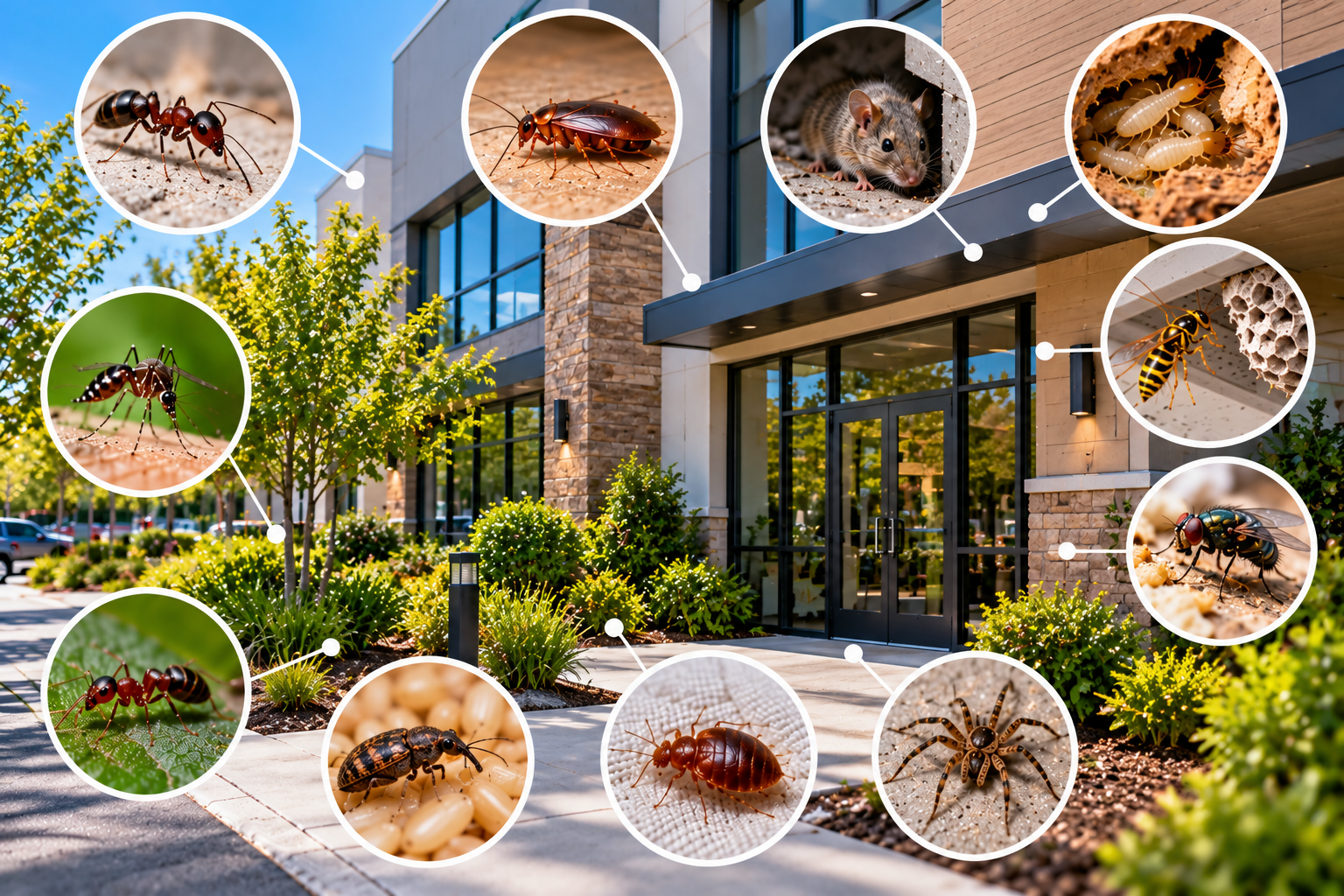
Businesses need pest control that protects the property without creating unnecessary disruption for employees, customers, tenants, inventory, or daily operations. In Orange County, commercial properties can face ants, cockroaches, spiders, flies, wasps, bees, rodents, bed bugs, fleas, stored-product pests, and termites. Each can behave differently depending on moisture, food, traffic, storage, deliveries, landscaping, and structural access. Our team approaches eco-friendly pest control as an inspection-led process rather than a blanket application. The goal is to identify what is active, understand why it is there, and use targeted treatment where it is actually needed. Prevention, sanitation, exclusion, monitoring, and careful product placement can all reduce unnecessary treatment while keeping the plan focused on the pest and the way the building operates. Start With Inspection Before Choosing A Treatment A responsible commercial program begins with evidence. Pests often develop in places that routine cleaning does not fully reach, including floor drains, storage rooms, delivery doors, trash areas, rooflines, shared walls, utility spaces, and landscaping. Weather can also change where pests gather, especially when heat, irrigation, humidity, or occasional rain shift food, water, and shelter. Our guide to seasonal indoor pest pressure explains how changing conditions can move ants, cockroaches, spiders, rodents, fleas, bed bugs, termites, wasps, bees, and stored-product pests toward protected indoor areas. An inspection may include: Checking kitchens, break rooms, drains, and food-storage areas for activity Reviewing delivery doors, loading areas, and storage zones for pest access Inspecting trash enclosures, landscaping, and exterior walls for pest pressure Looking for moisture around plumbing, irrigation, or utility spaces Checking shared walls, rooflines, vents, and small structural gaps Documenting pest evidence before treatment is selected This approach helps our technicians avoid treating spaces simply because they are available. Instead, service can be directed toward confirmed problem areas and conditions that support repeat activity. Eco-Friendly Service Means Reducing Unnecessary Pest Pressure Eco-friendly pest control is not just about selecting a product with a certain label. It also involves reducing the conditions that make repeated applications necessary. Food residue, moisture, clutter, standing water, damaged seals, and unprotected entry points can keep pests active even after treatment. For businesses, these conditions often connect to daily operations. Restaurants may have drains, food areas, and trash handling concerns. Warehouses may face risks around deliveries, stored goods, and dock doors. Offices and apartment communities may have shared walls, tenant access, break rooms, or landscaping that influence pest movement. A prevention-focused plan can include: Correcting moisture conditions that support cockroaches, ants, or other pests Improving sanitation around food, trash, and storage areas Sealing confirmed gaps after active pest routes are identified Reducing clutter that creates hidden harborage Monitoring recurring trouble spots between scheduled visits Adjusting service timing around staff, customers, tenants, and sensitive areas Professional oversight matters because different pests require different responses. Rodents, termites, bed bugs, cockroaches, ants, spiders, flies, fleas, stored-product pests, wasps, and bees cannot be managed effectively with one standard treatment routine. Targeted Commercial Pest Control Supports Cleaner Workspaces A clean workplace can still have pest activity if insects or rodents are entering through structural gaps, following plumbing, moving through shared walls, or arriving with deliveries. Our article on clean workplace protection explains why sanitation works best when it is combined with inspection, structural maintenance, targeted treatment, and monitoring. A long-term commercial program may include: Treating active areas according to the pest and building use Monitoring recurring locations for fresh droppings, trails, webs, or other evidence Coordinating repairs when damaged seals, gaps, or moisture contribute to activity Reviewing affected spaces during follow-up visits Keeping service records so managers can compare changes over time Scheduling treatment to reduce disruption to normal business operations This type of coordination is especially useful for properties with multiple departments, tenants, storage zones, or service areas. A pest complaint in one room may connect to a trash enclosure, landscaping, plumbing line, neighboring suite, or delivery area elsewhere on the property. Eco-friendly pest control should therefore be measured by how precisely the plan addresses the source. Targeted placement, prevention, monitoring, and practical property changes can reduce the need for broad treatment while helping businesses maintain cleaner, more stable environments. Our technicians also consider how the property is used from day to day. Foot traffic, customer areas, pets, sensitive rooms, food-handling spaces, and tenant access can all affect where and when treatment should occur. That makes professional planning important when businesses want effective pest control without unnecessary disruption. The strongest programs are not one-time reactions. They create a record of pest activity, correct conditions that support recurrence, and adjust as seasons or building conditions change. This gives businesses a more efficient way to protect people, property, inventory, and reputation while keeping treatment focused on verified needs. This also gives managers clearer documentation for maintenance decisions, follow-up, and future prevention planning. Build A Smarter Pest Plan For Your Business If your business needs targeted, prevention-focused commercial pest control, contact Enviro-Care Pest & Termite Control for professional inspection, careful treatment, monitoring, and long-term prevention.
How Late Summer Weather Changes Can Increase Pest Activity Indoors
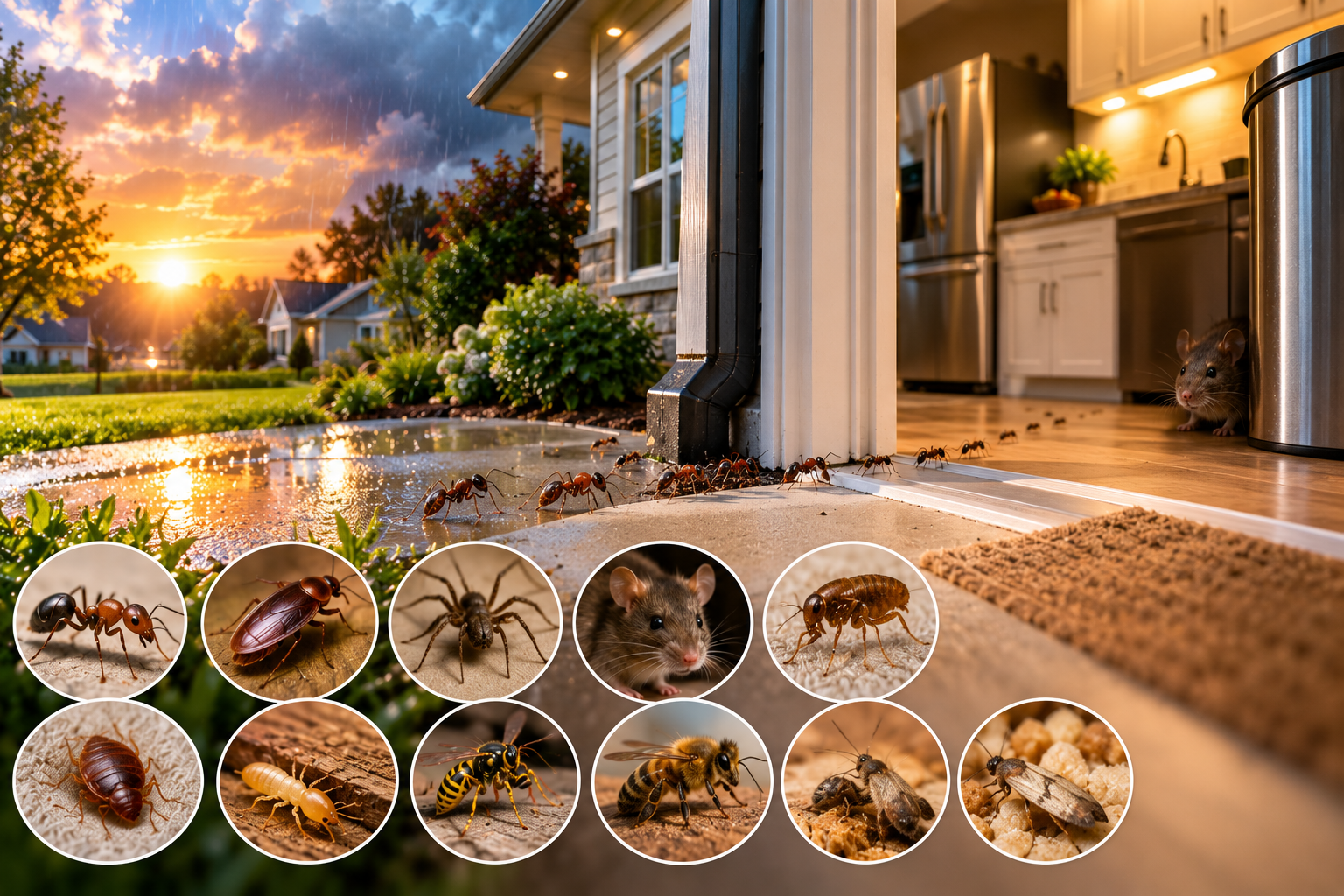
Late summer often brings an uneven mix of hot afternoons, cooler nights, irrigation, humidity, and occasional rain. Those changes can alter where pests look for food, water, and shelter. More ants, cockroaches, spiders, rodents, fleas, bed bugs, termites, wasps, bees, and stored-product pests may appear indoors as conditions shift. Professional pest control looks at those movements as part of a larger pattern. Heat, moisture, structural gaps, food sources, and shelter can all influence whether pests remain outside or move into kitchens, bathrooms, garages, attics, wall voids, and storage areas. Understanding those pressure points before fall helps make treatment more targeted and helps prevent small problems from becoming harder to manage. Heat Can Push Pests Toward Cooler Indoor Areas High late-summer temperatures can make indoor spaces more attractive because they offer shade, stable temperatures, food, and water. Pests that were active around landscaping or exterior edges may begin testing doors, vents, plumbing gaps, and utility penetrations when outdoor conditions become harsher. Common indoor pressure points include: Kitchens where ants and cockroaches can find food and moisture Bathrooms and laundry areas with plumbing, humidity, and condensation Garages that provide shade, storage, and easy exterior access Attics and wall voids that offer protected shelter for rodents and insects Pantry spaces where stored-product pests can develop unnoticed Bedrooms and upholstered areas where bed bugs may remain concealed The connection between summer heat pressure and indoor activity explains why visible sightings may increase even when the pest population began outside. The key question is what route allowed it inside and what conditions are helping it stay. Professional inspection helps answer that before treatment begins. Moisture And Weather Swings Can Change Where Pests Gather Late summer is rarely just dry heat. Irrigation, coastal moisture, storms, plumbing leaks, and shaded landscaping can create cooler, damp pockets that remain attractive even when surrounding conditions are hot. After rain or watering, pests may shift around foundations, patios, garages, or plumbing. Professionals may evaluate: Irrigation overspray and damp soil close to the structure Leaks, condensation, and drains that provide dependable water Mulch, dense vegetation, and shaded exterior harborages Cracks around doors, windows, vents, and utility lines Roofline openings that rodents or insects can use for access Shared walls or storage areas where pest activity can spread unnoticed Different pests respond differently. Cockroaches often favor moisture and tight shelter, while rodents may move toward garages, attics, or food-storage areas. Spiders can follow insect prey indoors, and termites may remain active where wood, soil, and moisture overlap. One-size-fits-all treatment can miss the cause. A pest problem tied to irrigation, for example, needs a different response from activity driven by a roof gap, pantry source, or shared-wall pathway. Cooler Nights Can Shift Pest Pressure Before Fall Arrives The seasonal transition can create another change. Even while days remain warm, cooler nights may make indoor shelter more appealing. Rodents can begin testing structural openings, while insects may move toward protected spaces where temperatures and moisture are more stable. A pre-fall pest review may include: Checking garage doors, vents, and roof edges for new entry gaps Looking for fresh droppings, gnawing, or nesting evidence from rodents Monitoring recurring ant or cockroach activity near plumbing and food areas Reviewing exterior webs, wasp activity, and other signs near entry points Inspecting wood and soil-contact areas where termite concerns may remain hidden Rechecking stored food, fabrics, and low-traffic rooms for concealed pest activity A professional approach is safer and more efficient because it starts with identification rather than guesswork. Guidance on targeted pest decisions shows why the pest species, location, activity level, and surrounding conditions should be confirmed before treatment is chosen. Seasonal transitions can involve several pests at once. Ants and cockroaches may be responding to moisture, while rodents are seeking shelter and spiders are following insect prey. Treating every sighting the same way can lead to unnecessary applications without correcting the real source. Follow-up also becomes more important as summer ends. Weather can shift quickly, irrigation schedules may change, and new entry points can become active. Rechecking helps show whether treatment is working or pressure has moved elsewhere. Long-term prevention depends on connecting indoor and outdoor conditions. Food should be stored securely, moisture sources should be corrected, entry gaps should be addressed, and clutter should be reduced where it creates shelter. Exterior landscaping, gutters, garages, and rooflines should also be reviewed because indoor pest activity often begins with pressure outside the structure. Late summer is a useful time to make those adjustments before fall fully arrives. A professional inspection can identify which conditions are active now, which pests are involved, and what should be monitored next. That keeps pest control focused, measured, and better suited to the property instead of relying on repeated reaction after each new sighting. Prepare Your Home Before Seasonal Pest Pressure Shifts If late-summer weather changes are bringing more pest activity indoors, contact Enviro-Care Pest & Termite Control for professional inspection, targeted pest control, prevention guidance, and follow-up tailored to your property.
Why Commercial Pest Control Matters For Clean Workspaces
A clean workplace is about more than appearance. Offices, restaurants, warehouses, and apartment communities need to control the conditions that allow pests to enter, hide, and spread. Food residue, moisture, deliveries, shared walls, trash areas, landscaping, and small structural gaps can all create pest pressure even when routine cleaning is consistent. Pest control supports workplace cleanliness by identifying where activity begins and addressing the source before it affects more areas. Ants, cockroaches, spiders, flies, wasps, bees, rodents, bed bugs, fleas, stored-product pests, and termites can each create different concerns. An inspection-led approach helps businesses protect staff, customers, inventory, and operations without relying on unnecessary blanket treatments. Clean Surfaces Do Not Eliminate Hidden Pest Risks Regular cleaning removes many food and sanitation concerns, but pests can survive in places that housekeeping does not reach. Cockroaches may hide near drains or behind equipment, ants can follow plumbing or wall lines, rodents may travel through rooflines and utility gaps, and spiders often gather where other insects are already active. Commercial pest inspections may focus on: Kitchens, break rooms, and food-storage areas where crumbs or moisture collect Trash enclosures, loading areas, and delivery doors exposed to activity Floor drains, plumbing lines, and utility spaces that provide water or access Storage rooms, shelving, and inventory areas that receive deliveries Rooflines, shared walls, entrances, and landscaping connected to pest movement The value of regular pest prevention is that small signs can be addressed before pests gain time to reproduce or move deeper into the building. Scheduled inspections also allow technicians to compare new findings with earlier activity and recognize patterns that routine cleaning alone may miss. A clean workspace and a pest-resistant workspace are not always the same thing. The strongest programs combine sanitation with inspection, structural maintenance, targeted treatment, and monitoring. Commercial Treatment Should Fit How The Business Operates Every commercial property has different schedules, sensitive areas, traffic patterns, and operational priorities. A restaurant kitchen cannot be treated like an office suite, and a warehouse with deliveries has different risks from an apartment community with shared walls and tenant access. A professional plan may consider: Operating hours and service timing that limit disruption to employees or customers Food areas, sensitive inventory, pets, tenants, and other concerns Pest species and the locations where evidence has been found Moisture, sanitation, landscaping, or structural conditions supporting activity Follow-up needs when pests can remain hidden or move between connected spaces Targeted pest control is important because broad spraying does not correct every cause of infestation. If ants are entering through one exterior route, rodents are using a garage opening, or cockroaches are concentrated near plumbing, treatment should focus on those conditions. Professional technicians can also document findings and recommendations. That record helps managers coordinate repairs, sanitation changes, access, and follow-up with maintenance teams or employees. It also gives businesses a clearer way to determine whether pest activity is declining or simply moving to another location. Commercial service works best when treatment fits the building rather than forcing the building to fit a standard treatment routine. Prevention Helps Protect Employees, Customers, And Property Pest problems can affect more than cleanliness. A visible cockroach, rodent dropping, fly problem, or repeated ant trail can quickly change how employees, customers, tenants, or visitors view a workplace. Some pests can also contaminate stored goods, damage materials, or create conditions that require more disruptive treatment later. A prevention-focused program may include: Monitoring recurring trouble spots and checking for fresh pest evidence Identifying gaps, damaged seals, moisture problems, and sanitation concerns Treating active areas according to the pest and building use Coordinating repairs or cleanup that reduce food, water, shelter, and access Reviewing affected areas during follow-up to confirm whether activity has changed For managed buildings, reducing repeat complaints often depends on coordination between property managers, tenants, maintenance teams, and pest professionals. Guidance on repeat pest complaints shows how documentation, access to adjoining areas, repairs, and follow-up can reveal patterns that a one-time response may overlook. The same principle applies to workplaces. Pest activity may begin in one room but connect to trash areas, exterior landscaping, neighboring spaces, deliveries, or shared utility lines. Treating only the visible pest may leave the source untouched. Long-term prevention gives businesses a more stable way to manage those risks. Regular inspection can identify changes in weather, moisture, building condition, or activity before they become larger disruptions. This is especially important for rodents, cockroaches, ants, bed bugs, fleas, spiders, termites, wasps, bees, flies, and stored-product pests because each can behave differently and require a specific response. A clean workspace depends on consistent systems. Housekeeping, waste management, building maintenance, employee awareness, and professional pest control all support one another. When these pieces are connected, businesses can respond earlier, keep treatments more focused, and reduce the chance that a small issue becomes a recurring workplace problem. Keep Cleanliness Working Beyond The Surface If your business needs an approach to workplace protection, contact Enviro-Care Pest & Termite Control for commercial pest control focused on inspection, targeted treatment, prevention, and long-term monitoring.
Why Summer Heat Can Increase Pest Activity Indoors
Summer heat changes how pests behave around a property. As outdoor temperatures rise, insects and rodents may move toward cooler, shaded, or more stable conditions. Homes can offer water, food, and protected shelter during prolonged hot weather. Professional pest control looks at those pressures together. Ants, fleas, cockroaches, spiders, rodents, bed bugs, termites, wasps, bees, and stored-product pests can all respond differently to heat, moisture, and access. Understanding why activity is increasing helps determine whether the problem started outdoors or developed inside. Heat Can Push Pests Toward Cooler Indoor Areas Extreme temperatures can make indoor spaces more appealing to pests searching for stable shelter. Kitchens, bathrooms, garages, attics, crawl spaces, and wall voids can provide cooler conditions along with access to water or food. Common summer pressure points include: Gaps around doors, windows, and utility lines Plumbing areas that provide dependable moisture Garages with stored food, cardboard, or clutter Attics with roofline openings or damaged vents Kitchens where crumbs and grease remain accessible Bathrooms and laundry areas with leaks or condensation Rodents may also enter attics or garages when outdoor conditions become less favorable. If scratching or waste appears overhead, understanding attic droppings can help explain why professional identification matters before treatment or exclusion begins. Moisture Becomes More Important During Hot Weather Heat does not act alone. Water often becomes one of the strongest reasons pests move closer to homes during summer. Irrigation, leaking pipes, condensation, pet-water areas, and damp landscaping can create dependable moisture when surrounding conditions are dry. Cockroaches, ants, spiders, fleas, and other pests may concentrate near kitchens, bathrooms, patios, or utility areas where moisture remains available. Spiders may follow the insects gathering around those same resources, while rodents can benefit from both water and shelter. Professional inspection helps connect pest sightings with the conditions supporting them. A cockroach near a sink, for example, may be linked to a plumbing gap, a hidden leak, or activity inside nearby cabinetry. Treating only the visible insect may not address why the area keeps attracting pests. Entry Points Become More Important As Outdoor Pressure Builds Summer pest activity often starts outside before it becomes noticeable indoors. Heat, dry soil, landscaping, and shifting food sources can increase movement around foundations and exterior walls. Areas worth checking include: Worn door sweeps and weatherstripping Torn screens around windows or vents Cracks along foundations or exterior walls Gaps around cable, plumbing, and electrical penetrations Roofline openings near soffits or fascia Garage doors that do not seal tightly Small openings can become repeated access routes. Professional pest control can help determine which gaps are actually being used instead of treating every crack as equally important. Exclusion works best when it is paired with inspection and targeted treatment. If pests are already inside, sealing openings without understanding the activity can leave part of the problem hidden in the structure. Indoor Activity Can Keep Growing After Summer Begins Once pests find stable indoor resources, they may remain active even when outdoor conditions change. Cockroaches can settle around kitchens and bathrooms, spiders may stay near insect prey, rodents can travel through walls or attics, and bed bugs can continue spreading around sleeping or resting areas. This is where eco-conscious treatments can fit into a professional plan when appropriate. Effective treatment still depends on accurate identification, correct placement, and attention to the areas where pests are actually active. Summer can also increase how often people notice pests because doors open more frequently, outdoor activities bring more materials inside, and travel can introduce hitchhiking pests such as bed bugs or fleas. Professional evaluation helps separate seasonal entry from established infestation. Long-Term Summer Control Requires Monitoring And Follow-Up A one-time reduction in visible pests does not always mean the underlying pressure is gone. Weather, irrigation, landscaping, food availability, and structural access can continue changing through the season. A complete summer plan may include: Identifying the pest before choosing treatment Inspecting indoor and outdoor activity zones Correcting leaks and persistent moisture problems Sealing confirmed entry points around the structure Applying targeted treatment where activity is concentrated Scheduling follow-up when signs return or shift Professional pest control becomes more effective when technicians can compare new activity with earlier findings. A recurring ant trail, fresh rodent droppings, renewed cockroach sightings, or spider webs in the same area may show that an entry point, moisture source, or harborage still needs attention. Summer heat does not create every pest problem, but it can change where pests move and what resources they seek. Homes that provide cooler shelter, water, food, or easy access may experience more indoor activity during the hottest part of the year. Addressing those conditions early helps keep treatment focused and reduces the chance that seasonal pressure becomes a long-term infestation. Keep Summer Pest Pressure From Moving Indoors If heat is driving pest activity into your home, contact Enviro-Care Pest & Termite Control for professional inspection, targeted pest control, prevention, and follow-up tailored to your property.
What Pest is Leaving Droppings In Your Attic?
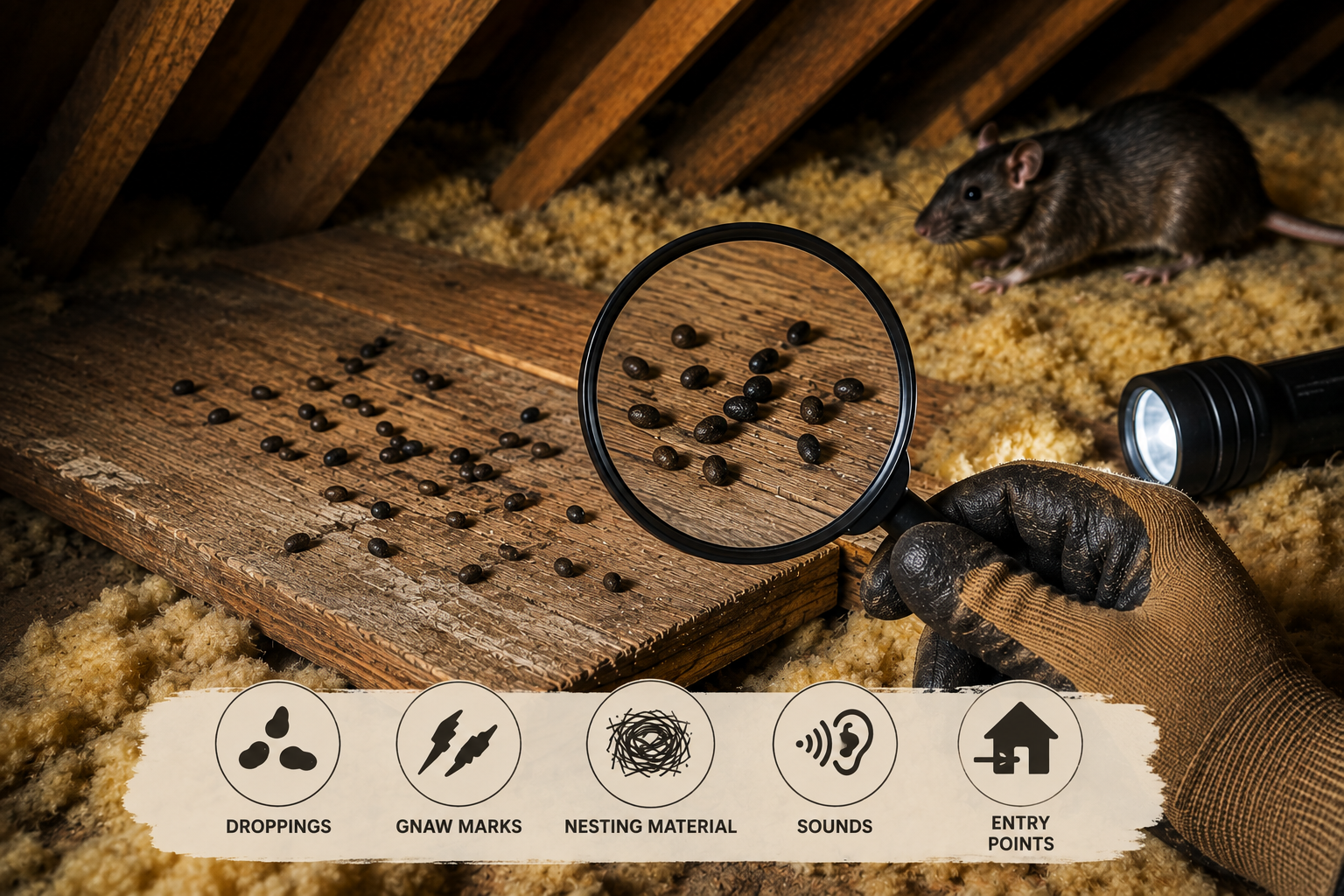
Finding droppings in an attic is a clear sign that a pest has been using the space. Different pests leave different evidence, so guessing from appearance alone can lead to the wrong response. Professional pest control examines droppings together with gnaw marks, nesting material, sounds, entry points, and the location of activity. In many homes, attic droppings are linked to rats or mice. Correct identification is the first step toward deciding what should happen next. Rat And Mouse Droppings Are Common Attic Clues Rodents are especially likely to use attics because these spaces provide warmth, shelter, low disturbance, and access through rooflines or utility gaps. Rats and mice can both leave droppings along travel routes, near nesting areas, or beside stored materials. Clues that may point toward rodent activity include: Small dark pellets scattered along walls or insulation Larger droppings concentrated near repeated travel routes Gnaw marks on wood, boxes, wiring, or stored items Shredded paper, fabric, or insulation used for nesting Scratching or movement sounds during quiet nighttime hours Rub marks or greasy smudges near openings and pathways Droppings should not be handled casually. Their location and condition can help determine where rodents are moving and whether activity appears recent. Regular pest prevention can also catch attic evidence before rodents gain more time to nest and spread. Dropping Size Alone Does Not Confirm The Pest It is tempting to compare droppings with online photos and assume the pest has been identified, but size and shape can vary. Moisture, age, diet, and the condition of the material can make waste look different than expected. Mouse droppings are generally smaller than rat droppings, but a visual comparison does not reveal where the animals are entering or whether the waste is fresh. Insect debris can also resemble fine dirt or pepper-like particles. A professional inspection adds context by examining roof edges, vents, wiring, insulation, stored items, and structural gaps. That wider view is more useful than identifying an infestation from one pellet or stain, especially when several pests may leave similar-looking evidence in hidden spaces. Freshness also matters. Newer rodent droppings may look darker or more intact, while older material can become dry and brittle. Even so, appearance alone should not be used to judge whether an infestation is active. Movement sounds, fresh gnawing, disturbed insulation, and newly appearing waste provide more useful context when considered together during an inspection. Attic Entry Points Often Explain Why Droppings Keep Appearing If droppings are cleaned away but new ones continue appearing, the underlying access route is probably still open. Rats and mice can use rooflines, trees, fences, garages, utility lines, and small structural gaps to reach protected attic spaces. Common access areas include: Gaps around roof vents or damaged vent screens Openings along soffits, fascia boards, and roof edges Utility lines entering exterior walls Garage areas that connect to upper structural spaces Tree branches that provide easy roof access Damaged seals or gaps around exterior construction joints Finding the entry point matters because removal without exclusion can lead to repeated activity. Professional pest control combines attic evidence with exterior inspection so the response addresses both the animals and the conditions allowing them inside. Safe Identification Is Better Than Guesswork Attics can contain insulation, wiring, tight spaces, contaminated material, and pests that may react unpredictably when disturbed. For that reason, homeowners should avoid relying on close handling of droppings or moving suspected nesting material simply to determine what is present. The value of professional identification is that treatment begins with evidence rather than assumptions. A technician can evaluate droppings, gnawing, noises, tracks, rub marks, and entry points together before recommending removal or exclusion. This is especially important when attic evidence may involve rodents rather than insects. A treatment designed for one pest will not solve another problem. Correct identification also helps determine whether nearby garages, storage spaces, or roofline areas need inspection. A Complete Attic Pest Plan Goes Beyond Cleaning Droppings Removing visible waste does not resolve an infestation if pests remain active or entry points stay open. Long-term control requires a plan built around the source. A professional attic strategy may include: Identifying whether rats, mice, or another pest caused the evidence Inspecting rooflines, vents, garages, and utility gaps for access Locating nesting areas and repeated travel routes Applying targeted removal or treatment based on the pest involved Recommending exclusion where confirmed openings are found Following up to check for fresh droppings or renewed activity Droppings are useful warning signs because they help reveal where activity is concentrated. If fresh droppings keep appearing, scratching continues at night, or gnaw damage is visible around wiring or stored materials, a professional inspection can identify the source before the problem spreads beyond the attic. Find The Source Before The Signs Multiply If attic droppings, scratching, or gnawing suggest hidden pest activity, contact Enviro-Care Pest & Termite Control for professional inspection, targeted pest control, exclusion guidance, and follow-up based on what is actually present.
Why Regular Pest Prevention Helps Avoid Bigger Infestations
Pest problems rarely become serious overnight. They usually begin with a few insects near a sink, faint scratching in a wall, or activity around a garage, patio, or storage area. When those early signs go unnoticed, pests gain more time to nest, reproduce, and spread into harder-to-reach spaces. Regular pest control helps interrupt that process. Scheduled inspections and targeted service can identify changing conditions, small entry gaps, and developing activity before the problem affects more rooms or causes greater disruption. This matters in Orange County, where coastal moisture, warm inland conditions, mature landscaping, shared walls, and year-round property use can keep pest pressure changing. Early Signs Are Easier to Address Small pest problems often leave subtle evidence before sightings become frequent. Ant trails may begin near one plumbing line, cockroaches may stay behind appliances, spiders may gather where insects are active, and rodents can use quiet attic or garage routes. Routine inspections may uncover: Fresh droppings, gnaw marks, webs, shed skins, or egg cases. Activity near plumbing, storage, food, or moisture sources. Gaps around doors, vents, utilities, foundations, or rooflines. Damp wood, soil contact, or other conditions linked to termites. Repeated sightings in the same area after weather changes. Finding these signs early allows pest control to focus on a smaller, better-defined concern. Waiting until activity spreads can make the source harder to locate and the treatment plan more involved. Surface Sprays Can Leave the Source Untouched Visible pests are often only the easiest part of an infestation to notice. Ants may be traveling from an outdoor colony, cockroaches can remain inside wall gaps, and spiders may be present because other insects are already established nearby. This is why hidden pest sources matter when evaluating recurring activity. A spray may reduce what appears on a counter or floor, but it cannot correct every entry point, nesting area, moisture zone, or food source that keeps pests active. Regular service creates continuity. A technician can compare new evidence with earlier findings, determine whether activity has shifted, and adjust treatment before the infestation becomes more difficult to manage. That record of earlier activity also helps distinguish a returning problem from a new pest entering through a different route. Prevention Reduces the Conditions Pests Need Pests remain where they can find food, water, shelter, and access. Even a clean property may have hidden conditions that support activity, including condensation, plumbing leaks, cluttered storage, pet food, wall gaps, or damp exterior areas. A prevention-focused plan may include: Inspecting kitchens, bathrooms, garages, attics, and storage areas. Checking exterior foundations, patios, landscaping, and utility openings. Identifying moisture, food residue, shelter, and entry opportunities. Applying targeted treatment where evidence shows active pressure. Monitoring treated areas for renewed or changing activity. This whole-property approach helps reduce repeat problems instead of treating each sighting as an unrelated event. It also allows service to remain focused rather than relying on broad, one-size-fits-all applications. Eco-Conscious Treatment Still Requires Precision Eco-conscious pest control can be effective when it begins with accurate identification, careful placement, and follow-up. The objective is not simply to use a different product. It is to understand where treatment belongs and reduce unnecessary application in areas without evidence of activity. The value of eco-friendly treatment options depends on inspection, pest behavior, entry routes, and the conditions allowing pests to return. Rodents, bed bugs, termites, fleas, spiders, and general insect concerns each require a different response. Regular prevention supports this precision because technicians can track patterns over time. That makes it easier to focus on active zones, reinforce vulnerable areas, and recommend practical changes without treating every room or exterior surface the same way. Long-Term Protection Comes From Consistency One-time service may be appropriate for an isolated concern, but recurring pest pressure often requires continued observation. Weather, landscaping, aging materials, deliveries, travel, pets, and nearby activity can introduce new risks even after an earlier problem has been controlled. A consistent pest control plan may involve: Reviewing previous trouble spots during scheduled visits. Checking for new structural gaps or moisture conditions. Adjusting treatment as seasons and pest behavior change. Confirming whether earlier activity has declined or moved. Recommending follow-up when hidden pests may still be developing. This approach is especially useful for termites, rodents, bed bugs, fleas, cockroaches, ants, spiders, wasps, bees, and stored-product pests that can remain concealed or return through familiar routes. The purpose of regular prevention is not constant treatment without reason or unnecessary applications. It is to maintain a clear picture of the property, catch developing activity earlier, and respond before a minor issue becomes a larger infestation. Professional oversight adds the inspection skills, pest knowledge, and continuity needed to make that process more efficient. Keep Small Pest Problems From Gaining Ground Early attention can prevent hidden activity from spreading into a more disruptive infestation. Contact Enviro-Care Pest & Termite Control for professional pest control focused on careful inspection, targeted treatment, and long-term prevention.

How Property Managers Can Prevent Repeat Pest Complaints
Repeat pest complaints are frustrating for tenants, property managers, maintenance teams, and owners. A resident reports roaches, rodents, ants, or termites in or around a managed property. Service is completed, the activity declines, and then another complaint appears weeks later. When this happens, the problem is often larger than one visible pest or one isolated unit. Effective pest control for managed properties depends on consistency, documentation, inspection, and communication. Apartments, HOAs, commercial buildings, and multi-unit properties have shared walls, utility lines, trash areas, landscaping, and common zones that can allow pest pressure to move. A professional plan helps property managers find patterns, address the source, and reduce repeated complaints. Start With Inspection And Better Documentation Repeated activity in nearby units or shared areas can point to a wider source. Good records help reveal whether complaints are connected by location, pest type, timing, moisture, sanitation, or structural access. Property managers should track: This information gives technicians a stronger starting point, allowing them to inspect the affected area and compare it with previous activity. A thoughtful discussion of safer pest decisions shows why identification and targeted treatment are more effective than broad reactions based on assumptions. Professional inspection can also identify moisture, food sources, gaps, damaged seals, hidden nesting areas, and structural conditions that may keep pests active after the first service. Coordinate Tenants, Maintenance, And Treatment Repeat complaints often happen when communication breaks down. A technician may treat one unit while the neighboring unit remains inaccessible. A leak may be reported but not repaired. Trash may continue accumulating near a service area. Tenants may not know how to prepare for service or what follow-up signs to report. A better process includes: This coordination is especially important for rodents, cockroaches, bed bugs, ants, termites, fleas, spiders, and other listed pest concerns. These pests behave differently, but many can move through shared walls, utility penetrations, hallways, crawl spaces, garages, or exterior routes. Property managers should also set realistic expectations. Some infestations require follow-up because eggs hatch, pests shift locations, or the original population was hidden. A clear service plan helps tenants understand what was done, what should happen next, and when they should report continued activity. Use Prevention To Break The Repeat-Complaint Cycle The strongest property-management plan does more than react to complaints. It looks for the conditions that make those complaints likely to return. Regular inspections, preventive treatments, structural maintenance, sanitation standards, and follow-up can reduce the number of emergencies and improve tenant confidence. A preventive program may include: Termites deserve special attention because they can damage property quietly and become expensive when inspections are delayed. Guidance for property managers explains how proactive termite inspections and localized treatment can help reduce disruption and avoid larger repair costs when activity is caught early. That same preventive mindset benefits general pest control. A recurring roach complaint may point to moisture or shared plumbing. Rodent activity may connect to roofline gaps, trash storage, or garage openings. Fleas may involve pet areas or exterior pressure. Bed bugs may spread through furniture, travel, or adjoining spaces. The technician needs enough information to see the whole pattern. Professional service also gives property managers a documented history. Inspection notes, photos, recommendations, and follow-up dates make it easier to track what changed and whether the response worked. This documentation is useful for maintenance planning, tenant communication, HOA boards, commercial clients, and long-term budgeting. Repeat pest complaints usually continue when the response stays reactive. A better system connects inspection, communication, repairs, treatment, prevention, and follow-up. When property managers act on the source instead of only the symptom, the property becomes easier to maintain, and tenants receive clearer, more consistent support. Build A More Reliable Pest Management Plan Repeat complaints are easier to reduce when property managers have a clear process for inspection, documentation, treatment, repairs, and follow-up. For professional pest control, termite inspections, rodent removal, bed bug extermination, flea control, insect and spider control, and customized service plans for managed properties, contact Enviro-Care Pest & Termite Control.

What Makes Professional Pest Control Safer Than Guesswork?
Pest problems often start with a small sign: a few ants near a sink, scratching in a wall, roach activity in a cabinet, or soft wood that raises termite concerns. The risky part is assuming the cause is obvious. Many pests leave similar clues, but their habits, nesting areas, and treatment needs are different. Professional pest control is safer because it begins with inspection, not assumptions. Experts look at pest behavior, entry points, moisture conditions, structural gaps, and the level of activity before choosing a treatment plan. That process helps reduce unnecessary applications, avoid misplaced products, and target the areas where pests are actually living, traveling, or feeding. Correct Identification Prevents Risky Decisions Guesswork can turn a manageable issue into a longer-term problem. Ants, termites, rodents, spiders, roaches, fleas, and bed bugs do not respond to the same approach. Even pests within the same category can require different inspection points and treatment methods. A surface-level reaction may affect visible pests while leaving the source untouched. A professional inspection helps determine: This matters because safety is not only about the product used. It is also about whether the product is needed, where it is placed, and how the service fits the structure. When treatments are based on evidence, pest control becomes more precise and less disruptive. Targeted Treatments Reduce Unnecessary Exposure One of the biggest differences between professional service and guesswork is placement. Pests usually follow patterns. Rodents use gaps, utility lines, garages, attics, and food sources. Roaches hide near warmth, moisture, and tight spaces. Fleas may remain connected to resting areas, carpets, or pet zones. Termites can move through concealed wood or soil contact before damage is easy to see. Treating without understanding those patterns can create extra exposure without solving the problem. Many surface applications are made where pests are seen, not where the activity begins. That is one reason store-bought products often feel temporary. They may interrupt visible movement while missing harborage, nesting, or entry conditions. The issue is explained further in this guide on missed pest sources, which shows why the source matters more than the sighting. Professional service focuses on using the right method in the right location. That may include inspection, exclusion recommendations, baiting, crack-and-crevice work, targeted applications, monitoring, or termite-specific treatment. The goal is not to blanket a property. The goal is to match the treatment to the pest’s behavior and the property’s conditions. Safety Also Depends on Timing and Conditions Timing affects both safety and results. A one-time reaction may happen after pests have already spread or after the wrong areas have been disturbed. Professionals consider whether a problem is early, active, recurring, seasonal, or structural. They also account for conditions that can change pest behavior, such as moisture, heat, sanitation concerns, landscaping, storage, and building access points. Important timing factors include: A structured plan also helps protect sensitive areas. Kitchens, bedrooms, pet spaces, storage rooms, and shared commercial spaces may require different service decisions. Professionals understand how to adjust treatment areas, communicate preparation needs, and recommend follow-up when the pest’s life cycle or activity level requires it. Eco-Conscious Service Still Needs Professional Judgment Many homeowners want pest solutions that are effective while being mindful of people, pets, and the environment. That is a reasonable expectation, but “eco-friendly” should not mean random, weak, or poorly placed. Safer service still depends on accurate inspection, proper product selection, and controlled application. An eco-conscious product used in the wrong place can still miss the problem. Professional judgment helps connect safety with performance. A technician can assess whether a treatment should focus on exterior pressure, interior activity, termite protection, rodent access, or hidden insect harborage. That balance is especially important for homes with children, pets, or frequent guests. For readers comparing treatment options, this discussion of eco-friendly treatments offers helpful context on how effectiveness and safety can work together. Good pest control should feel measured, not rushed. The safest plan is usually the one that identifies the pest clearly, treats only where needed, and includes practical prevention guidance. Choose Safer Steps With Expert Support Pest issues are easier to manage when decisions are based on inspection, not trial and error. For careful, professional help with ants, roaches, rodents, spiders, fleas, bed bugs, termites, and related pest concerns, contact Enviro-Care Pest & Termite Control.
Are Eco-Friendly Pest Treatments Effective For Homes?
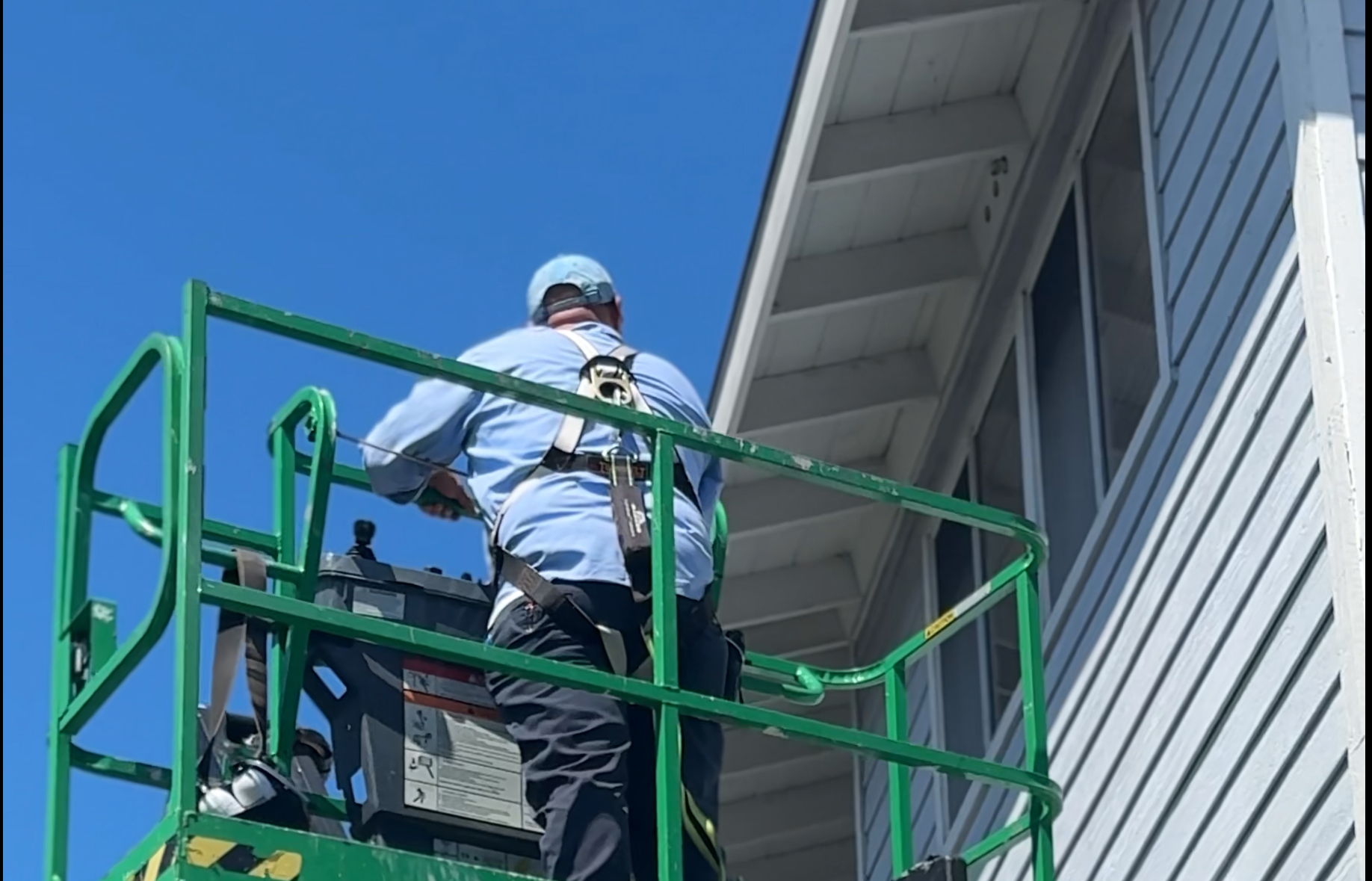
Eco-friendly pest treatments can be effective for homes when they are built around inspection, accurate identification, targeted applications, prevention, and follow-up. The idea is not to choose a softer plan and hope for the best. It is to use pest knowledge carefully so treatment is applied where it matters most, while reducing unnecessary disruption around the home. For homeowners, this matters because pests behave differently. Rodents, bed bugs, termites, fleas, spiders, and general insect concerns all require different strategies. A responsible plan considers how pests enter, where they hide, what they feed on, and what conditions allow them to return. When eco-friendly service is handled professionally, it can support both effective results and a more thoughtful approach to home protection. It also helps homeowners understand which conditions should be corrected so the same pest pressure does not keep building behind the scenes. Effectiveness Starts With Inspection The first step in any reliable eco-friendly plan is inspection. Before choosing products or methods, a technician needs to know what pest is present and where the activity is coming from. Treating every room the same way can waste effort and miss the source. This inspection-first approach is especially important for rodents, bed bugs, termites, fleas, spiders, and insects. Each pest leaves different clues, and each one requires a different level of urgency, placement, and follow-up. Targeted Service Reduces Guesswork Eco-friendly pest treatments work best when they are targeted. Instead of relying on broad applications, professionals focus on active zones, cracks, crevices, access points, nesting spaces, and areas where pests are likely to travel. This allows the treatment to be more precise while still addressing the real problem. For property owners and managers, creating pest-free spaces depends on more than treating visible pests. It requires understanding the building, tenant habits, sanitation, storage areas, landscaping, and recurring pressure points. The same principle applies to homes. The goal is to reduce the reasons pests stay, not only the pests seen in the open. Targeting also helps avoid overuse. When the source is identified, the treatment can be placed more carefully and monitored more effectively. Prevention Makes Treatments Last Longer Eco-friendly results are strongest when treatment and prevention work together. Pests return when food, moisture, shelter, or access points remain available. A home may be clean and still have risks such as leaky plumbing, cluttered storage, foundation gaps, or exterior debris. Prevention is not a separate task from treatment. It is part of the strategy. When homeowners reduce the conditions that support pests, professional service becomes more efficient, and long-term protection becomes more realistic. Eco-Friendly Does Not Mean One-Size-Fits-All A common misunderstanding is that eco-friendly service means the same mild product is used for every pest. In reality, effective eco-conscious service is based on selection and placement. Termite activity may require a very different plan from bed bugs. Rodents may require exclusion, monitoring, and entry-point work. Fleas may involve life cycle awareness and treatment around the areas where activity is supported. A balanced approach to ecosystem care shows why pest management should consider both effectiveness and environmental responsibility. The point is not to ignore serious infestations. It is to use the right method with the right amount of precision. Professional judgment matters because pest pressure changes with season, structure, and household conditions. A plan should fit the pest and the property. Follow-Up Confirms The Plan Is Working Even strong pest treatments need follow-up when pests are hidden, established, or recurring. Rodents may test new access points. Bed bugs can hide in difficult spaces. Termites may require monitoring after treatment. Fleas and insects may appear in stages because of life cycles or environmental conditions. Eco-friendly pest control is most effective when it is structured, not casual. Inspection finds the source. Targeting limits unnecessary treatment. Prevention reduces return pressure. Follow-up confirms progress. Together, these steps help homeowners get practical results while supporting a more responsible way to manage pests. Choose A Cleaner Path To Pest Protection Eco-friendly service works best when it is guided by evidence, not guesswork. For pest treatments that consider your home’s pest activity, entry points, prevention needs, and long-term comfort, contact Enviro-Care Pest & Termite Control for professional support shaped around safer, smarter protection.
Why Store-Bought Sprays Often Miss The Real Pest Source
Store-bought sprays can make a pest problem feel handled because they often reduce what is visible. A few insects may disappear from a counter, a spider may be knocked down from a corner, or activity may slow for a short time. The concern is that many pest problems do not begin where they are first seen. They begin in hidden nesting areas, wall gaps, moisture zones, food sources, storage spaces, or exterior access points. This is why pest treatments should be based on inspection, not only on visible pests. Termites, rodents, bed bugs, spiders, and general insect concerns require different strategies because each pest survives, hides, feeds, and spreads in different ways. Sprays may affect pests on contact, but they often miss the conditions that allowed the problem to grow. Visible Pests Are Only Part Of The Problem The pest seen in the open is often only the easiest part to notice. Ants may be trailing from a colony outside. Roaches may be hiding behind appliances or near plumbing. Spiders may be present because other insects are active. Rodents may leave droppings far from the entry point. Termites can stay concealed while damaging wood. Professional service begins by identifying the pest and tracing the activity. That makes the treatment more specific and less dependent on guesswork. Store-Bought Sprays Rarely Address Entry Points Many pest problems continue because pests can keep entering. Gaps around doors, vents, utility lines, plumbing areas, garage seals, screens, and foundation cracks can allow insects, spiders, and rodents to move inside. If those access points remain open, spraying the visible area may only create a short-term pause. A prevention-focused approach looks at the structure and surrounding conditions together. For example, property managers who focus on pest prevention know that early inspection and targeted attention can reduce costly problems later. The same principle applies to many pest concerns. Long-term protection depends on finding out how pests are getting close, not only where they appeared. Entry points are easy to overlook because they may be small, hidden, or located away from the room where pests are seen. Hidden Moisture And Food Sources Keep Pests Active Pests need conditions that help them survive. Moisture, food residue, clutter, warmth, stored materials, and quiet shelter can keep activity going even after a spray is used. A kitchen, bathroom, garage, crawl space, storage closet, or commercial utility area may support pests without looking severely dirty. Professional inspections evaluate these support points before recommending treatment. That helps explain why one property may have recurring activity while another nearby property does not. Some Pests Require Specialized Evaluation Store-bought sprays are especially limited when the pest is difficult to locate or requires a specialized process. Bed bugs can hide in seams, cracks, furniture joints, and resting areas. Rodents require entry-point review, exclusion, and monitoring. Termites call for inspection, identification, and treatment planning because damage may be hidden inside wood or soil-connected areas. A guide to avoiding major pest problems reinforces the value of responding before a small issue becomes disruptive. For homes and businesses, waiting until activity is widespread can increase cost, stress, and property risk. Professional pest treatments use evidence to decide where treatment belongs and what follow-up is needed. This is more reliable than treating every sighting the same way. Professional Plans Focus On The Source The strongest pest plans combine inspection, identification, targeted treatment, prevention, and follow-up. Instead of only treating the visible pest, technicians look for why the activity started and what could make it return. This is especially important for termites, rodents, bed bugs, spiders, and insect concerns that can spread or hide in difficult areas. Store-bought products may seem convenient, but they often leave homeowners or business owners without a full picture. A professional plan gives structure to the process. It helps reduce repeated frustration, protects the property more effectively, and supports long-term results by addressing the real source of the problem. Get To The Source Before Pests Return When sprays only treat what you can see, the real issue may continue in hidden spaces. For inspection-based guidance, targeted pest treatments, and prevention support that helps address the cause instead of the symptom, contact Enviro-Care Pest & Termite Control for professional help tailored to your property.